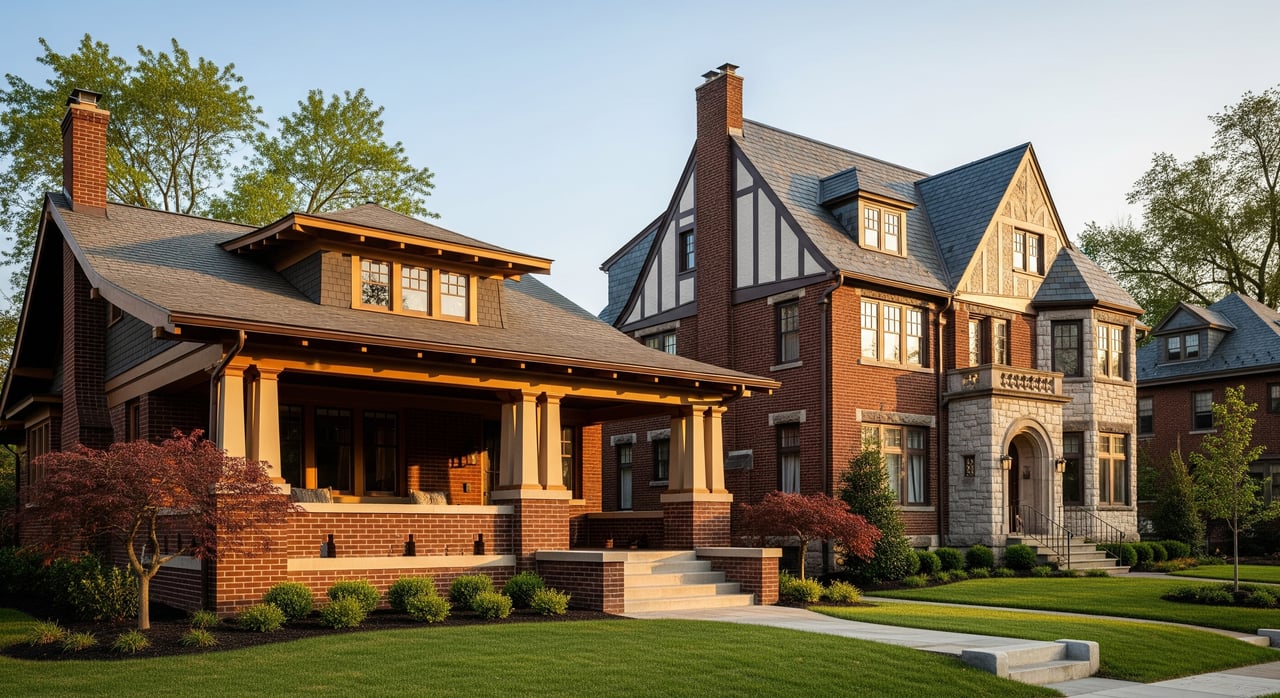
Love the look of Norwood’s big porches and storybook gables but not sure what they mean for daily living and resale? You are not alone. Many buyers and sellers want to name a home’s style and understand how it affects value, maintenance, and updates. This guide breaks down the most common Norwood styles so you can shop smarter or prep your home to shine. Let’s dive in.
Norwood home styles at a glance
Norwood is an inner‑ring Cincinnati suburb with many late‑19th and early‑to‑mid‑20th century homes. You will find concentrations of Craftsman, American Foursquare, Tudor Revival, and post‑war cottages and small ranches. Lots are modest, with sidewalks and short front yards, which puts homes closer to the street and makes porches a daily living space.
Ages vary by style. Craftsman and Foursquare homes date to about 1900 to the 1930s. Tudor Revival homes span the 1910s to 1940s. Post‑war cottages and ranches are common from the 1940s to the 1960s. If you plan exterior changes, check with Norwood’s planning or local preservation offices to confirm any design review rules before you start.
Craftsman homes: what to expect
Defining features
- Low‑pitched gable or cross‑gabled roofs with wide eaves and exposed rafter tails.
- Large front porches with tapered columns on brick or stone piers.
- Natural materials and multi‑pane over single‑pane windows.
Interior and layout
- Often one to one‑and‑a‑half stories, with an efficient footprint.
- Living and dining rooms flow together, with built‑ins like bookcases and window seats.
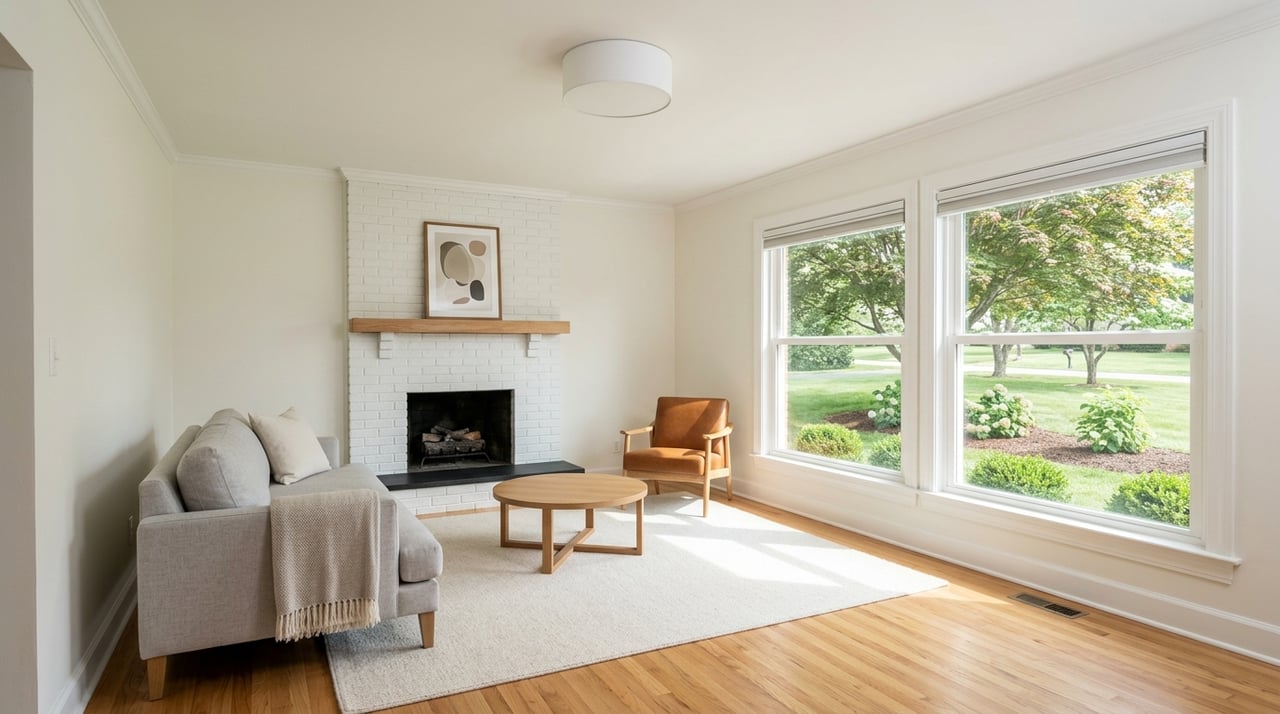
- Central fireplaces are common. Many kitchens have been opened or modernized.
Updates and maintenance
- Porch repair and roof flashing are frequent needs in this style.
- Original multi‑pane wood windows add character but require upkeep.
- Preserved woodwork and built‑ins are a plus and may need refinishing.
Buyer appeal
- Strong curb appeal and warm interiors attract many buyers.
- Emphasize original millwork and period details paired with tasteful kitchen and bath updates.
American Foursquare: roomy and adaptable
Defining features
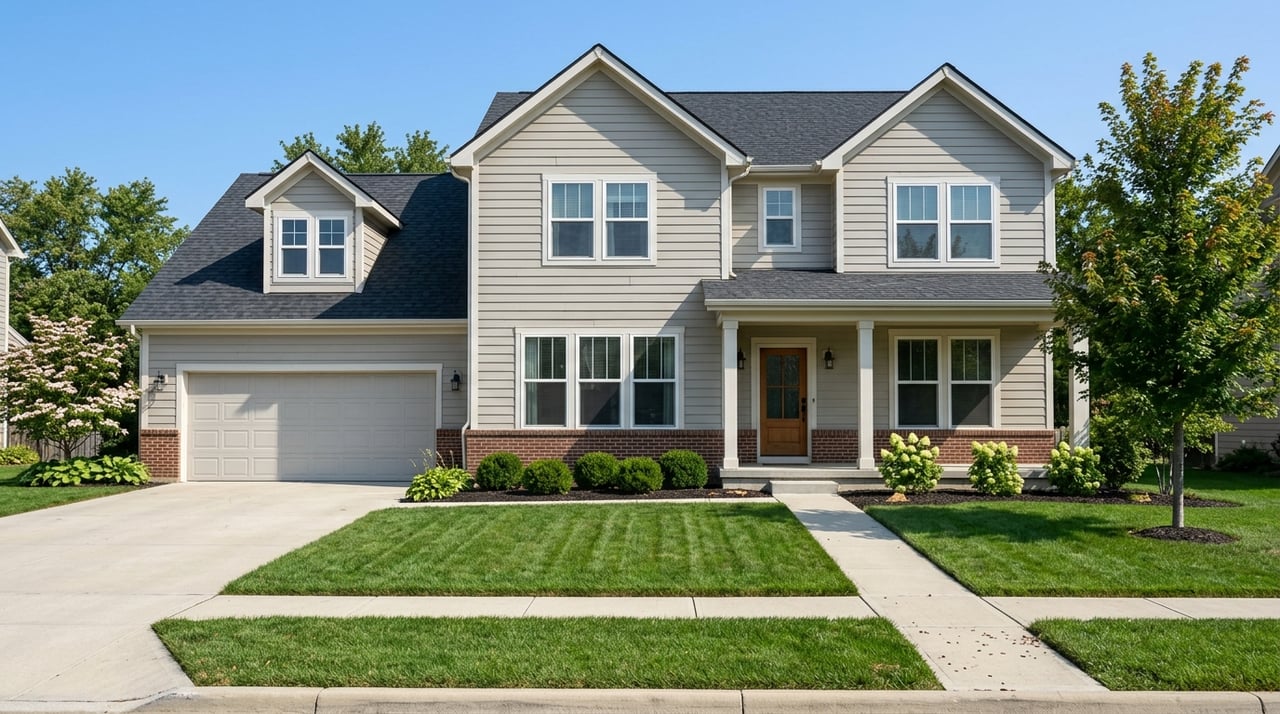
- Boxy, two‑story form with a low to moderate hipped or pyramidal roof and a central dormer.
- Broad front porch and simple detailing, often with Craftsman or Prairie touches.
Interior and layout
- Four primary rooms per floor is the classic setup.
- Good ceiling heights, full basements, and usable attics are common.
- The regular geometry adapts well to open‑plan remodeling.
Updates and maintenance
- Rear and dormer additions are common to expand kitchens and add space.
- Hipped roof and dormers need careful attention to flashing and gutters.
Buyer appeal
- Practical, flexible floor plans suit many lifestyles.
- Original woodwork and tall ceilings are marketable highlights.
Tudor Revival: storybook charm
Defining features
- Steep, multi‑gabled roofs, decorative half‑timbering, and prominent chimneys.
- Arched or recessed entries and tall, narrow grouped windows.
Interior and layout
- More compartmentalized rooms with cozy proportions and fireplace focus.
- Asymmetrical layouts in one‑and‑a‑half to two stories.
Updates and maintenance
- Masonry and mortar repair, plus careful roof flashing on steep pitches.
- Matching half‑timber and stucco details can be specialized work.
Buyer appeal
- Distinctive curb appeal attracts buyers who love period character.
- Preserve original details while modernizing kitchens and baths for best results.
Post‑war cottages and small ranches
Defining features
- Smaller footprints, simple forms, and modest rooflines.
- One‑level ranches or one to one‑and‑a‑half story cottages, sometimes with attached garages in later builds.
Interior and layout
- Compact rooms and efficient kitchens with a practical flow.
- Basements are common in the region, and one‑level living appeals to many.
Updates and maintenance
- Many have updated kitchens and baths, with system upgrades often needed.
- Energy improvements such as insulation and window upgrades are frequent.
Buyer appeal
- Popular with first‑time buyers and downsizers looking for simpler upkeep.
- Smart cosmetic updates can go a long way in this category.
Livability and updates by style
Older styles offer rich character, but they may have smaller kitchens or more defined rooms. Foursquares are flexible for opening sightlines because of their regular room shapes. Craftsman homes often have natural flow between living and dining, and many owners open the kitchen while keeping built‑ins.
Post‑war cottages and ranches shine for convenience, especially if you want one‑level living. Storage can be limited, so smart closet systems and basement organization help. Across styles, plan for potential upgrades to electrical, insulation, heating and cooling, and windows to meet modern comfort expectations.
Buyer checklist for Norwood homes
- Foundation and basement moisture, including signs of seepage or previous repairs.
- Roof condition and flashing, especially on steep Tudor roofs and Foursquare dormers.
- Porch structure and pier condition, a common focus on Craftsman homes.
- Window condition and energy tradeoffs between repair and replacement.
- Mechanical systems, including HVAC age, electrical panels, and insulation levels.
- Evidence that previous renovations were permitted and completed to code.
Prep to sell: what to highlight
- Showcase original millwork, built‑ins, fireplaces, stained or leaded glass, and porch details.
- Make targeted repairs buyers notice, such as porch steps and rails, roof maintenance, and visible moisture fixes.
- Use period‑appropriate paint choices to frame architectural detail.
- Update kitchens and the primary bath in a way that respects scale and character.
- Share documentation for structural, mechanical, or roof work. For historically significant homes, include records of any approved exterior changes.
Additions, lots, and local rules
Norwood’s modest lots make porches and front yards part of daily life, and they can limit the size of additions or new garages. Setbacks and lot coverage rules may affect what you can build. If your home is in a locally designated historic area or subject to design review, exterior changes like siding, windows, or porch updates may require approval. Check with Norwood’s planning or preservation offices before starting exterior work.
Which style fits you
- Choose a Craftsman if you love front‑porch living, built‑ins, and warm woodwork.
- Choose a Foursquare if you want square footage that adapts well to opening rooms and future additions.
- Choose a Tudor Revival if storybook curb appeal and cozy rooms speak to you.
- Choose a post‑war cottage or ranch if you value simpler maintenance and single‑level living.
If you want help weighing tradeoffs, pricing updates, or planning a listing strategy, connect with Angel apking for local guidance and a clear plan to meet your goals.
FAQs
How common are Craftsman, Foursquare, and Tudor homes in Norwood?
- These styles are typical across Norwood’s older streetcar‑era areas, with post‑war cottages and ranches appearing in later subdivisions.
What should I know before renovating a Norwood Craftsman?
- Plan for porch and roof flashing work, respect original woodwork and built‑ins, and consider opening the kitchen while preserving trim and sightlines.
Are there historic district rules for exterior changes in Norwood?
- Some locations may have design review or guidelines, so confirm requirements with Norwood’s planning or preservation offices before starting exterior work.
Can I open a Craftsman or Foursquare floor plan without losing character?
- Yes, many owners open sightlines between kitchen and living or dining while retaining built‑ins, wood trim, and key period features for balance.
What maintenance is typical for Tudor roofs and masonry?
- Expect attention to steep‑roof flashing and masonry or mortar repair, and plan for careful window and stucco or half‑timber maintenance.
How do post‑war cottages and small ranches compare for one‑level living?
- Ranches offer the convenience of single‑level layouts, while cottages may have bedrooms on the main level, with compact footprints and manageable upkeep.