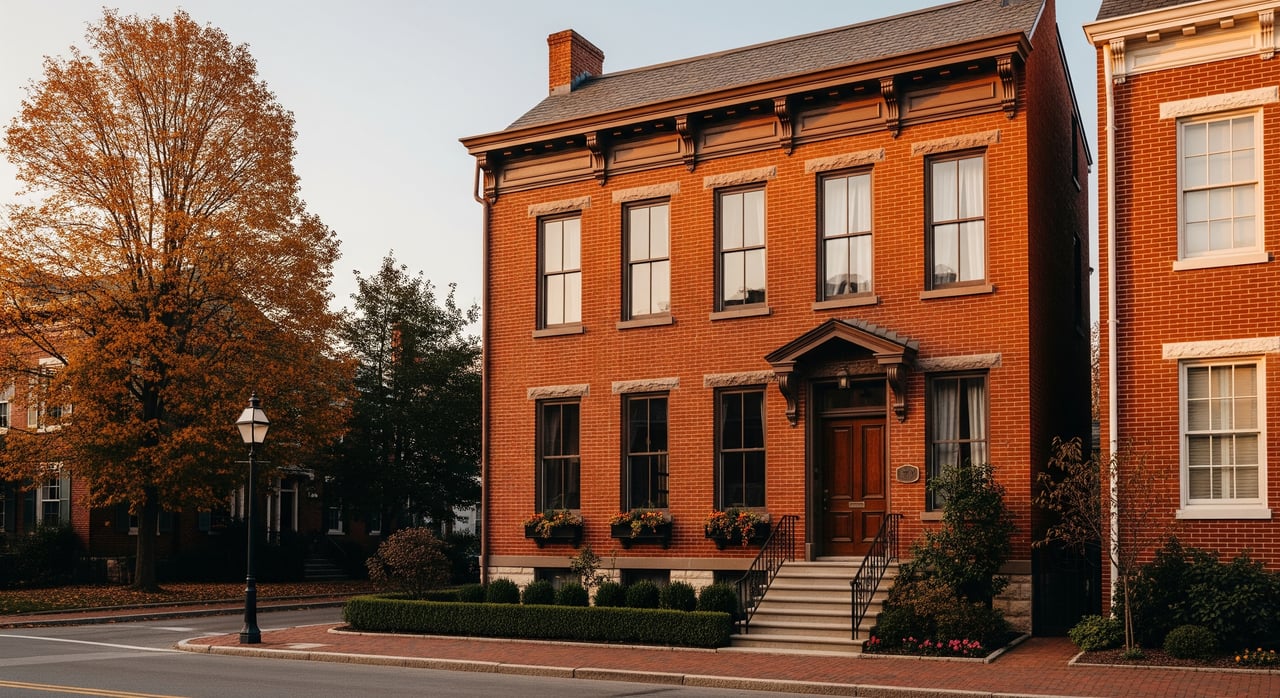
Love the charm of a front porch, brick sidewalks, and a quick stroll to coffee and the river? Milford’s Historic District blends small‑town Main Street energy with character homes that feel one of a kind. If you are considering a move up or a relocation to this walkable pocket of Clermont County, you likely want the story behind the architecture, the rules for renovations, and a smart plan for your offer. This guide gives you clear steps to verify “historic” status, plan inspections, manage flood risk, and buy with confidence. Let’s dive in.
Why buyers love Milford’s historic core
Milford offers a classic river‑town feel. You get a Main Street with shops and dining, close to the Little Miami River and trail access that boosts everyday walkability. The streetscape feels intimate and pedestrian friendly, with sidewalks, narrow lots, and closely spaced homes.
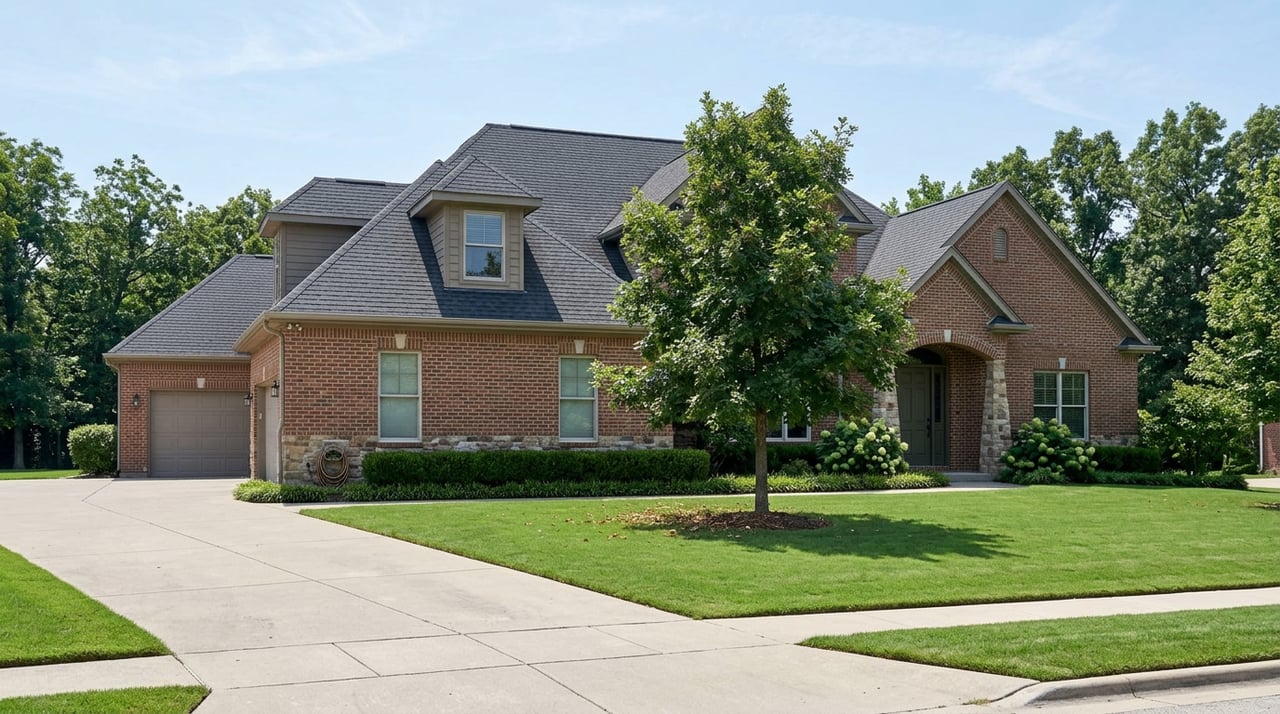
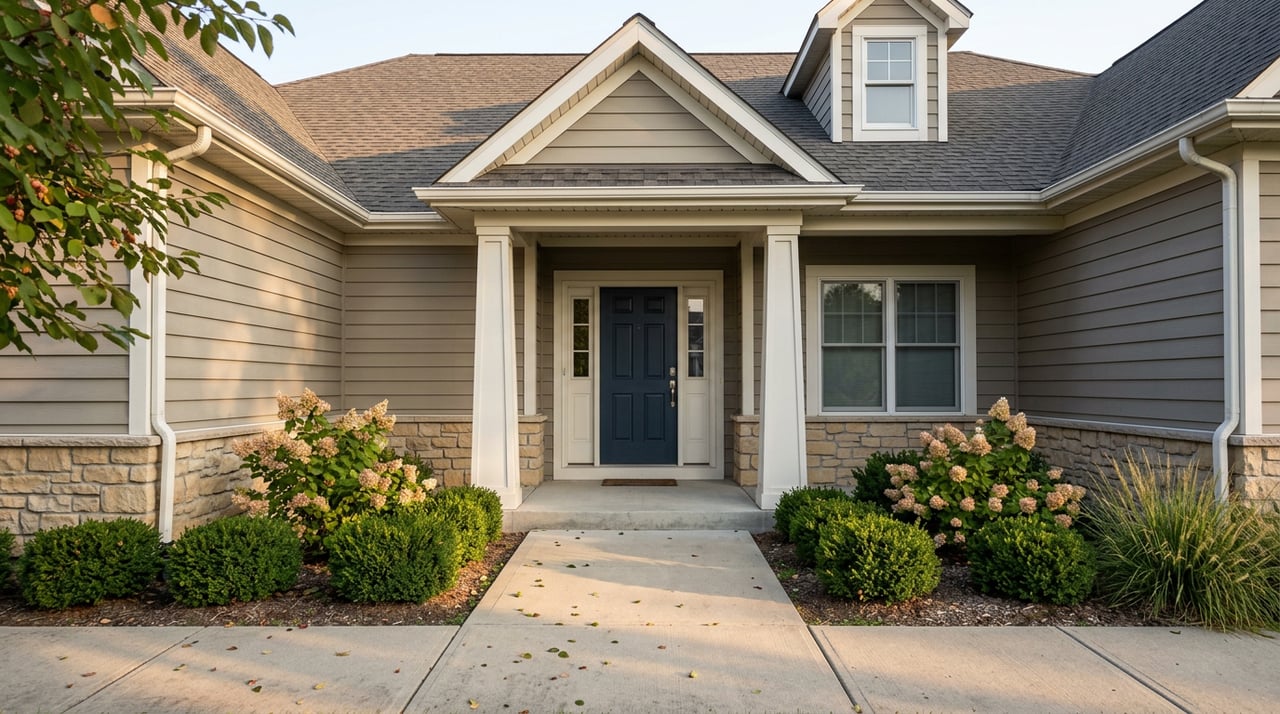
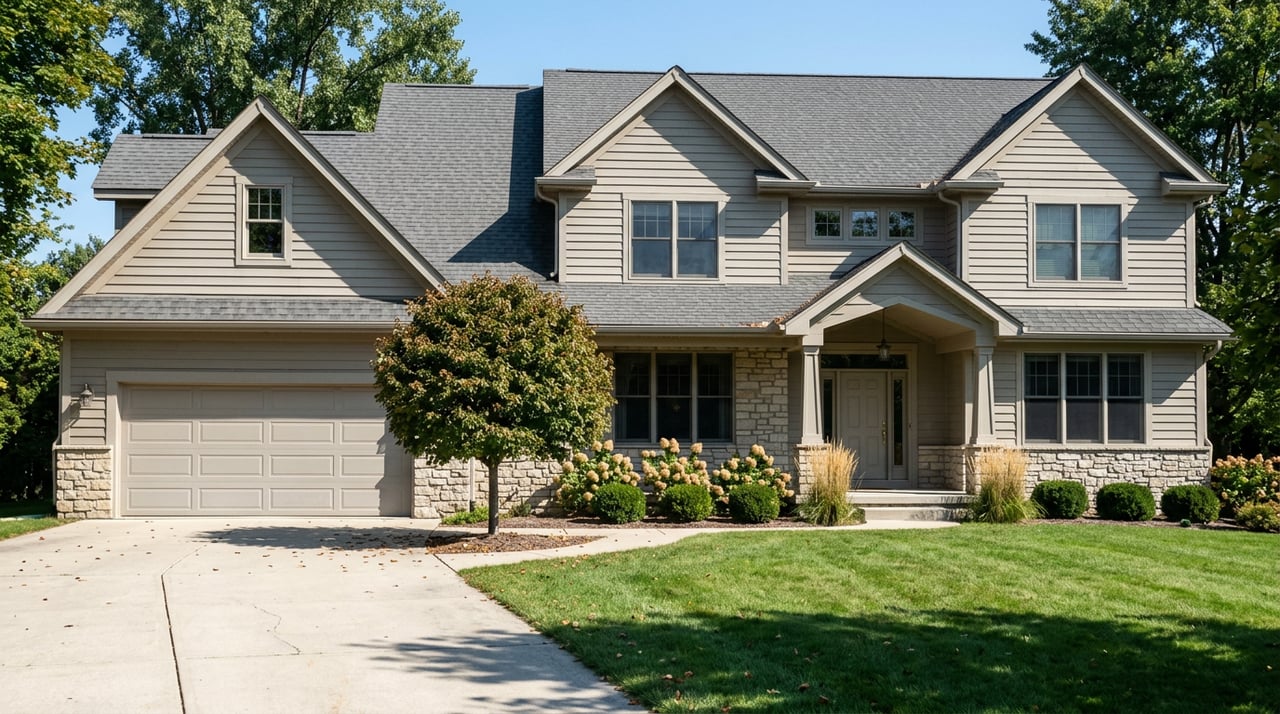
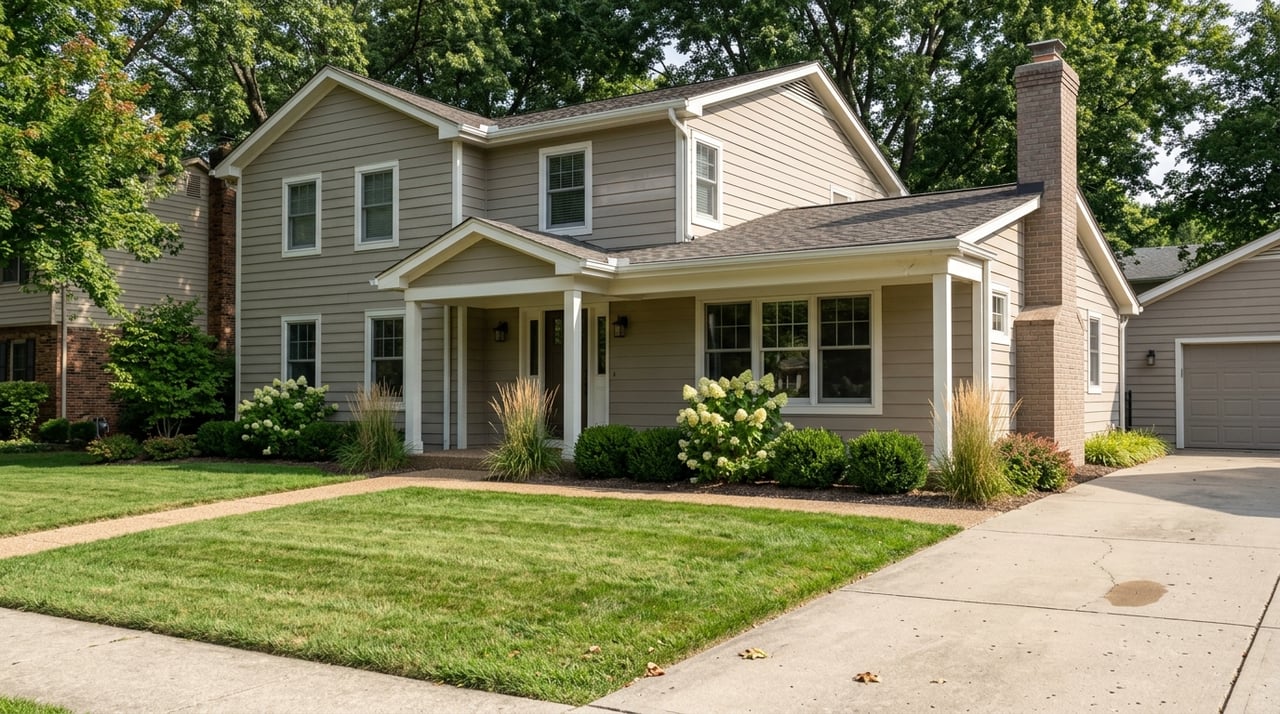
Homes often show 19th and early‑20th century details. Look for gabled roofs, full or partial‑width porches, decorative wood trim, bracketed cornices with Italianate flair, bay windows, and tall narrow windows with arches. Many houses have brick or wood siding, stone foundations, and masonry chimneys that add to the district’s visual rhythm.
These features create the character you see on listing photos and when you walk the block. They also shape how you maintain and update a home over time. Knowing both sides helps you buy well.
What “historic” really means for Milford
Not every “historic” label works the same way. It can be federal, state, or local, with different effects on what you can change.
National Register basics
The National Register of Historic Places recognizes a property’s historical importance. A private owner can usually renovate without federal restrictions unless federal money or permits are involved. This listing is an honor, but it does not by itself control your private renovation choices.
State recognition and resources
Ohio’s State Historic Preservation Office, part of Ohio History Connection, maintains surveys and technical guidance. The state may also administer incentive programs. If you plan work that preserves historic character, state resources can help you plan and budget.
Local historic districts and rules
Cities can create local historic districts with enforceable design‑review. If Milford has a local historic overlay or commission for your block, exterior changes often require approval before permits. This approval is commonly called a Certificate of Appropriateness.
How to verify a property’s status
- Ask the City of Milford planning or zoning office to confirm local historic‑district boundaries and any review process.
- Check the National Register database and the Ohio History Connection inventory for listings that apply to your address.
- Review the municipal code for design‑review triggers, timelines, and appeals.
- Confirm whether you will need design approval for windows, siding, roofing, porches, signage, or demolition.
What local rules could require
If a local district applies, expect guidance on materials and appearance. Common items include replacement windows, siding types, roofing materials, and porch details. There may be demolition review and delay periods that protect significant buildings. Ask about any grants, incentives, or technical assistance that can offset costs.
Renovation and inspections for older homes
Older homes are special, yet they can hide issues you do not see at a showing. Plan thorough due diligence so you understand the work ahead and can tailor your offer.
Pre‑purchase inspections to order
- General home inspection covering structure, roof, HVAC, plumbing, and electrical
- Historic‑specialist checks for masonry, mortar type, and porch or wood trim conditions
- Paint testing for lead if the home was built before 1978
- Electrical review for knob‑and‑tube or aluminum wiring
- Moisture history, foundation assessment, and sewer scope
- Flood risk review, which may include an elevation certificate if near the Little Miami River
Common issues in older houses
- Electrical: smaller service size, outdated wiring, and lack of modern grounding
- Plumbing: galvanized pipes and older sewer runs that may need lining or replacement
- HVAC: undersized systems or no central air, which may call for careful ductwork planning
- Foundations: stone or brick foundations with mortar loss, plus finished basements that have seen seepage
- Windows and doors: single‑pane wood sash that may draft without storms or weatherstripping
Environmental hazards to keep in mind
- Lead‑based paint: disclosures are required for pre‑1978 homes. If you plan to disturb painted surfaces, follow lead‑safe work practices.
- Asbestos: can appear in pipe insulation, floor tiles, or some plaster. Test before disturbance.
- Floodplain: if the home sits near the river, confirm flood‑zone status. Lenders may require flood insurance, which affects carrying costs.
Preservation‑friendly repair tips
- Masonry: use mortar compatible with historic brick or stone. Hard modern mixes can damage soft historic masonry.
- Woodwork and porches: expect targeted repairs for rot or insects. Much of this work is visible, so plan for craftsman‑level finishes.
- Windows: repair and weatherstrip when possible to retain character. If replacement is needed, match profiles and sightlines, and confirm whether design‑review applies.
Weather, maintenance, and the Milford climate
Ohio’s freeze‑thaw cycles stress masonry, painted wood, and foundations. Expect a regular paint cycle for exterior wood and careful flashing at porches and roofs. Keep gutters and downspouts clear to move water away from the foundation. Small maintenance steps protect the character that drew you here.
Financing, insurance, and timelines
Older, character homes can require a different financing and coverage playbook. Get your lender and insurer on the same page early.
Loans and appraisals for unique homes
Appraisers may have limited comparable sales when a home is truly unique. A lender familiar with older properties can help you navigate this. If you plan improvements, ask about renovation loans, such as FHA 203(k) or Fannie Mae HomeStyle Renovation, and confirm program rules. If a National Register‑listed property will be income‑producing, research federal or state rehabilitation tax credits early, since approval steps can affect design.
Insurance and flood considerations
Standard homeowners insurance usually excludes flood damage. Confirm the home’s flood‑zone status with official maps and ask your lender if flood insurance is required. Many insurers also want updates to electrical or heating for eligibility or better premiums. Target replacement‑cost coverage that reflects the cost to restore historic features.
Building your team and budget
Choose contractors with preservation experience for masonry, carpentry, and window work. Add a 10 to 20 percent contingency to your budget, since older homes often reveal more once work starts. If local design review applies, allow extra time for approvals, and sequence your start date accordingly.
Offer strategy for a historic‑district home
A strong offer balances competitiveness with protection. You want the house, and you want the right to fully understand it before you are all in.
Contingencies that protect you
- General inspection plus specialist inspections for structure, masonry, electrical, sewer, and environmental items
- Flood‑elevation assessment if the property is near the river
- Appraisal contingency language that acknowledges unique features and potential appraisal gaps
Credits vs. seller repairs
Major systems upgrades often go smoother when you control contractor selection and methods. If inspections reveal needs, negotiate repair credits that reflect realistic costs. Some sellers prefer to list “as is,” so bake expected repairs into your offer price and plan your project scope.
Timelines and approvals
If you plan exterior changes after closing, confirm whether local design review will affect your schedule. Add time for pre‑application meetings and approvals. Build this into your move plan and contractor start dates to avoid surprises.
A step‑by‑step buyer checklist
Pre‑offer
- Confirm whether the property sits in a National Register listing, a state inventory, or a local historic district.
- Contact the City of Milford planning department to understand any design‑review process and typical timelines.
- Pull official flood maps for the parcel and ask about an elevation certificate if needed.
- Review recent comparable sales in the immediate historic area to gauge pricing and appraisal risk.
Under contract
- Order a full home inspection plus targeted specialist inspections.
- If you anticipate exterior work, request a pre‑application conversation with city or historic staff to preview likely approvals.
- Get written contractor estimates for key repairs, including schedule impacts if preservation methods are required.
After closing
- Assemble your team: architect or designer, contractor, preservation carpenter or mason, and a permit liaison if needed.
- Explore potential incentives through state or local programs and set up documented, preservation‑sensitive methods if you pursue credits.
- Finalize insurance coverage, including flood if required, and keep records of all work for future reference.
Is Milford’s Historic District a good fit for you?
If you want walkability, river access, and the texture of real craftsmanship, Milford’s historic core delivers. With clear knowledge of how “historic” works at the federal, state, and local levels, you can plan your updates with confidence. A focused inspection plan and the right financing help you balance charm with practical costs. When you are ready, a local, hands‑on advisor makes the process faster and smoother.
Thinking about a character home near the Little Miami and Main Street? Let’s create a plan that fits your goals and timeline. Reach out to Angel apking for local guidance, smart offer strategy, and a calm, high‑touch experience from search to closing.
FAQs
What does “historic” status mean for a Milford home I want to renovate?
- Federal recognition honors significance but does not usually restrict private renovations. Local historic districts, if applicable, can require design‑review for exterior changes.
How do I find out if a Milford property is in a local historic district?
- Contact the City of Milford planning or zoning office and check the municipal code for boundaries, rules, and whether a Certificate of Appropriateness is required.
What special inspections do buyers need for older homes near the river?
- Order full home, masonry, electrical, and sewer inspections, plus flood‑risk review and an elevation certificate if the property sits near the Little Miami River.
Are there loans that help pay for updates to a historic home?
- Ask lenders about renovation loans like FHA 203(k) or Fannie Mae HomeStyle, and confirm rules. For income‑producing, listed properties, research rehabilitation tax credits early.
Will I need flood insurance in Milford’s Historic District?
- It depends on the flood zone for your specific parcel. Lenders use official maps to decide if flood insurance is required, so verify status before you finalize your offer.