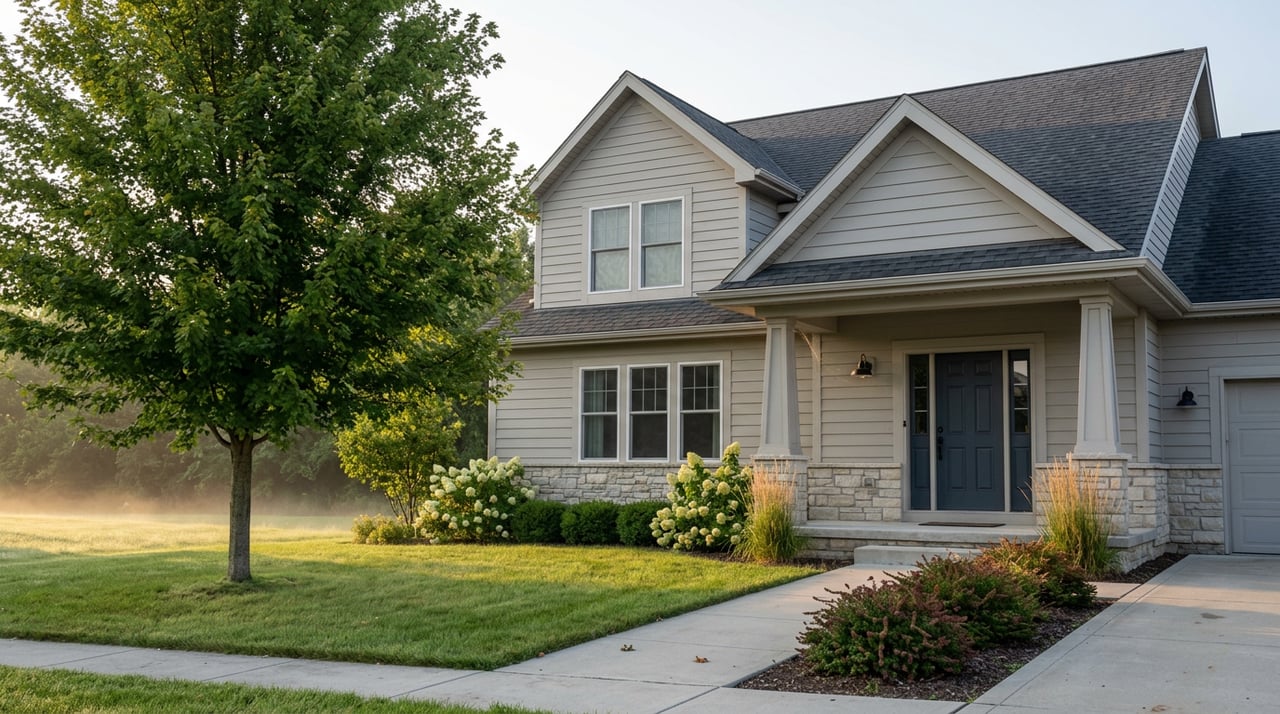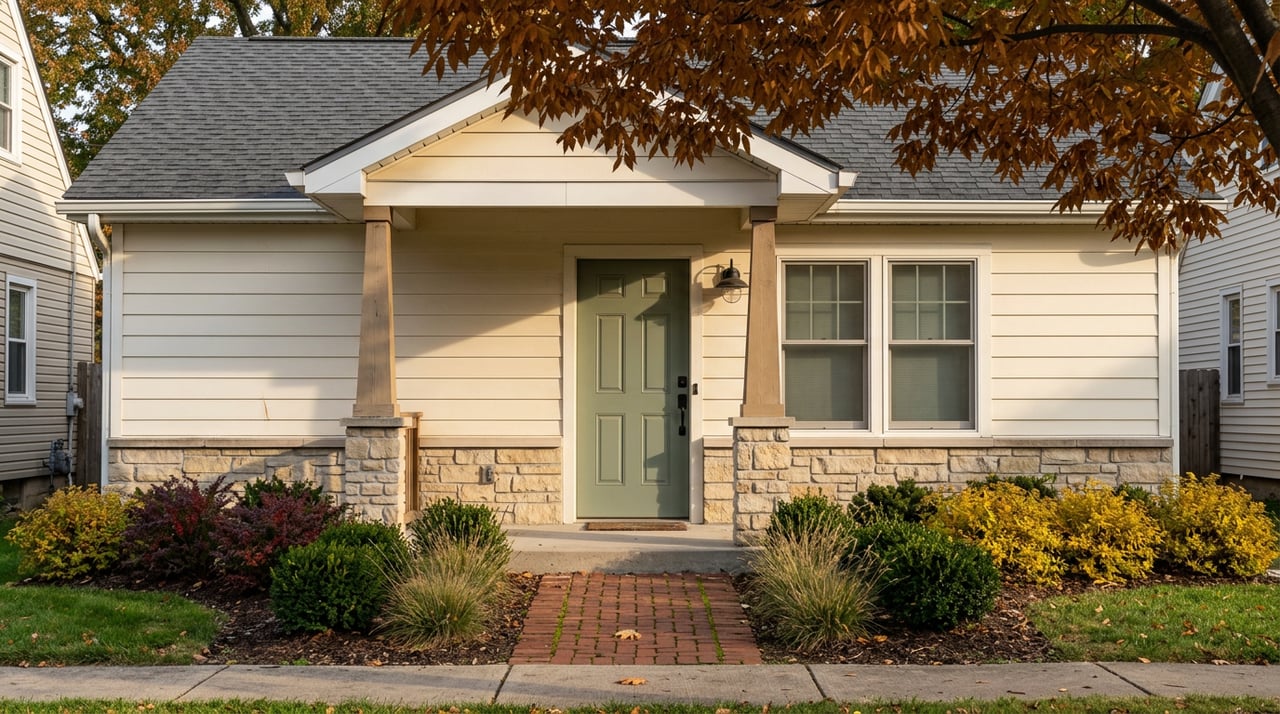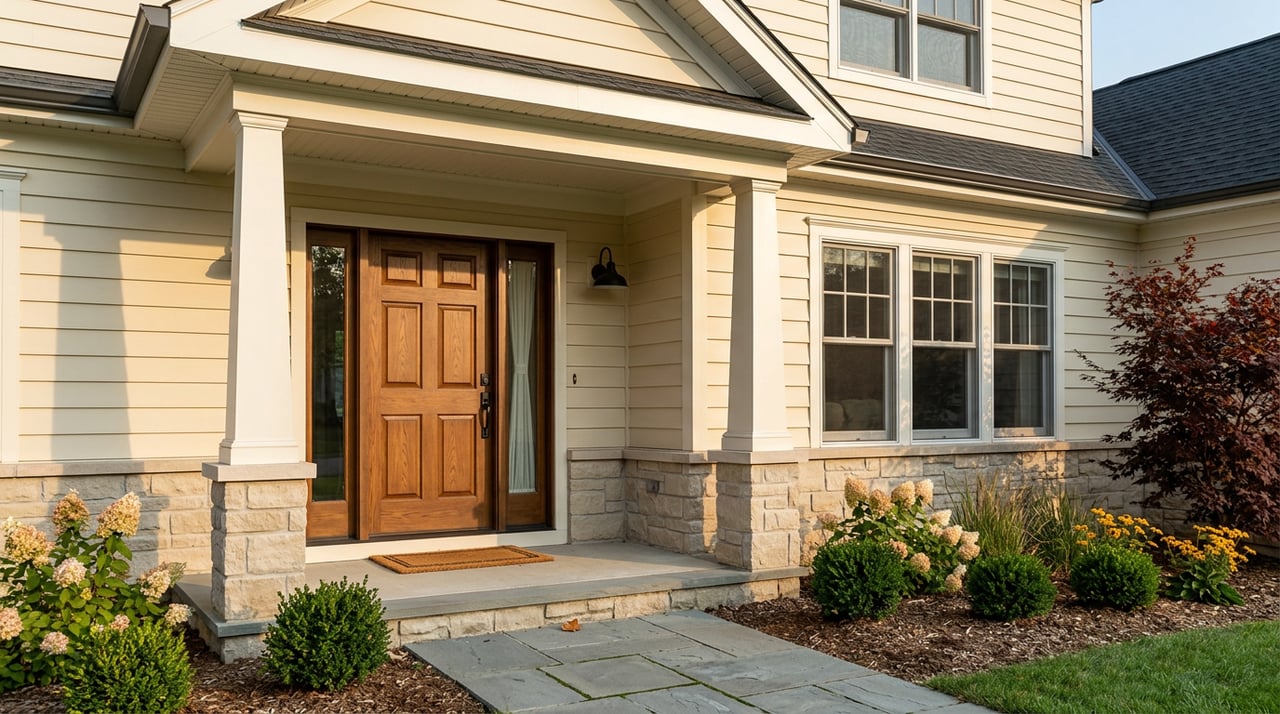
Are you planning to sell in Deerfield Village but not sure where to start with price? You are not alone. The right list price can help you attract more qualified buyers, shorten days on market, and protect your bottom line. In this guide, you will learn a clear, local approach to pricing in Deerfield Village that uses real data and a strategy built around your home’s features. Let’s dive in.
Why pricing right matters
Pricing is your first impression. A price that fits the local data and your home’s condition sends the right signal to buyers and their agents. Get too high and you may sit and rack up days on market. Go too low and you could leave money on the table.
In Deerfield Village and the broader Deerfield Township area, small differences in location, condition, and updates can shift value. A focused, hyperlocal comparative market analysis, or CMA, helps you anchor your price to what buyers are paying right now.
Know your Deerfield micro-markets
Deerfield Township includes a mix of subdivisions and home styles. Even within a small radius, values can vary. Your pricing should account for:
- Proximity to Mason amenities and employment centers. Homes closer to shopping, entertainment, and regional attractions can draw a larger buyer pool.
- Access to major roads. Convenient routes to I-71 and local arterials often increase demand for commuters.
- Subdivision identity and HOA. Newer planned communities can behave differently than established streets of ranch or two-story homes.
- Lot and setting. Wooded views, cul-de-sac locations, and creek frontage can influence buyer interest.
- School district boundaries. Some buyers compare public information about schools when making decisions. Boundaries can affect demand and pricing behavior.
The takeaway: treat Deerfield Village as its own micro-market, then cross-check with nearby, similar neighborhoods only when needed.
How a hyperlocal CMA is built
A CMA is more than a list of comps. It is a step-by-step analysis of your home against the closest, most similar recent sales, with clear adjustments for differences.
Define your home’s profile
Start by documenting the facts that matter most:
- Finished living area, bedrooms, full and half baths
- Lot size and type, garage size, basement and percent finished
- Year built and major system ages, such as roof and HVAC
- Notable updates to kitchen, baths, flooring, and windows
- Subdivision name and exact placement relative to local amenities
Select the right comps
Prioritize sold properties within the same subdivision or within about a half to one mile where the home style and lot type match. Pull sales from the last 3 to 6 months in faster markets, expanding to 12 months if inventory is thin. Add active and pending listings to understand current competition. Review withdrawn or expired listings to see where pricing missed the mark.
Filter for apples-to-apples
Aim for comps that match your bedroom and bath counts and are within about 10 to 15 percent of your square footage. Keep basement finish, garage size, and lot characteristics aligned where possible. When the sample is small, you can widen the net, but use stronger adjustments for size or feature gaps.
Calculate core metrics
A local CMA should capture:
- Price per finished square foot, using median values to reduce the impact of outliers
- Days on market and list-to-sale price ratios for closed sales
- Recency weighting that gives more influence to the latest sales if the market is moving
Make objective adjustments
Document and adjust for the differences that matter most to Deerfield buyers:
- Kitchen and bath updates, based on scope and quality
- Finished basement square footage, usually valued below main-level living space
- Roof, windows, and HVAC ages, which affect perceived risk
- Condition and cosmetics that shape first impressions
Support any premium or discount with photos, permits, and local matched sales when available.
Set a strategic price range
When the adjustments are complete, you should see a clear value range. Angel typically outlines three bands with expected outcomes:
- Below-market band: higher traffic, potential multiple offers, faster sale
- At-market band: steady traffic, a sale in a standard timeframe
- Above-market band: testing for a premium if features justify it, often longer time to sell
A final recommended list price reflects both the data and your goals for timing.
What to gather before pricing
Collect these items to streamline your CMA and reduce uncertainty:
- Recent updates with dates and invoices
- Utility, HOA, and tax information
- Basement finish details and any permits
- A list of known repairs or maintenance items
- High-quality photos that reflect current condition
Condition and upgrades that move the needle
Not every improvement pays the same. In Deerfield Village, buyers tend to focus on a few big levers.
Kitchens and baths
Modern layouts, quality surfaces, and a cohesive appliance package can command a noticeable premium. Use local matched sales to calibrate the impact of a partial refresh versus a full remodel.
Basements and square footage
Finished lower levels add usable space for recreation or work. They typically price below main-level square footage but still increase overall appeal.
Major systems and risk
Recent roof, window, or HVAC replacements can shorten days on market by lowering buyer uncertainty. Even if the dollar impact is modest, the confidence boost often improves offer terms.
Curb appeal and cosmetics
Fresh paint, flooring touch-ups, and light landscaping can elevate photos and first impressions at a relatively low cost. Small changes can support stronger initial offers.
Pricing strategy you can trust
There is no single right number, but there is a smart strategy.
- Price slightly below market: attracts more buyers and can spark competition, especially when inventory is tight.
- Price at market: aligns with current comps for steady showings and a typical sale timeline.
- Price above market: consider only when you can clearly demonstrate unique features and are prepared for a longer marketing period and potential reductions.
Pre-list prep that boosts results
A few targeted steps can improve your price and reduce your time on market.
- Cost-benefit review. Compare the likely value added from small updates or staging against the cost. Minor cosmetic refreshes often have strong ROI.
- Pre-list inspection. Addressing key findings or disclosing them upfront can reduce renegotiations and keep the deal on track.
- Validate permits. Confirm any renovations or finished spaces are documented to avoid surprises during buyer due diligence.
- Marketing focus. Present professional photos, floor plans, and copy that highlight micro-market strengths like amenity access, commute options, and lot features.
What you get in Angel’s CMA
You will receive a clear, data-backed pricing plan tailored to Deerfield Village:
- A reconciled price range with a single recommended list price and rationale
- 3 to 5 closed comparable sales with photos and line-by-line adjustments
- A snapshot of active and pending competitors buyers will also see
- Insights from withdrawn and expired listings to avoid overpricing
- Practical pre-list action steps to support your target price
Your next steps
If you are thinking about listing in the next 3 to 6 months, start with a hyperlocal CMA and a quick property review. Confirm your square footage, inventory your updates, and flag any repair items. With a clear plan, you can price with confidence and launch with strong market positioning.
Ready to see your Deerfield Village pricing picture? Request a custom CMA and pre-list plan from Angel apking to request a free home valuation.
FAQs
How close should Deerfield Village comps be to my home?
- Prioritize the same subdivision or within about 0.5 to 1 mile for similar homes, then widen only if necessary with stronger adjustments.
How recent should comparable sales be for a Deerfield Township listing?
- Use sales from the past 3 to 6 months when possible, expanding up to 12 months if inventory is limited, and weight the most recent sales more heavily.
Are pre-list upgrades worth it for Deerfield Village sellers?
- Small cosmetic updates and staging often deliver strong returns, while major renovations should be weighed against neighborhood price limits and timing.
Can I list high first and reduce later in Deerfield Township?
- You can, but overpricing often leads to longer days on market and reductions; deliberate pricing from the start usually leads to better outcomes.
What information helps build the most accurate CMA?
- Provide accurate square footage, bed and bath counts, basement finish details, update dates with invoices, and any inspection or permit records.