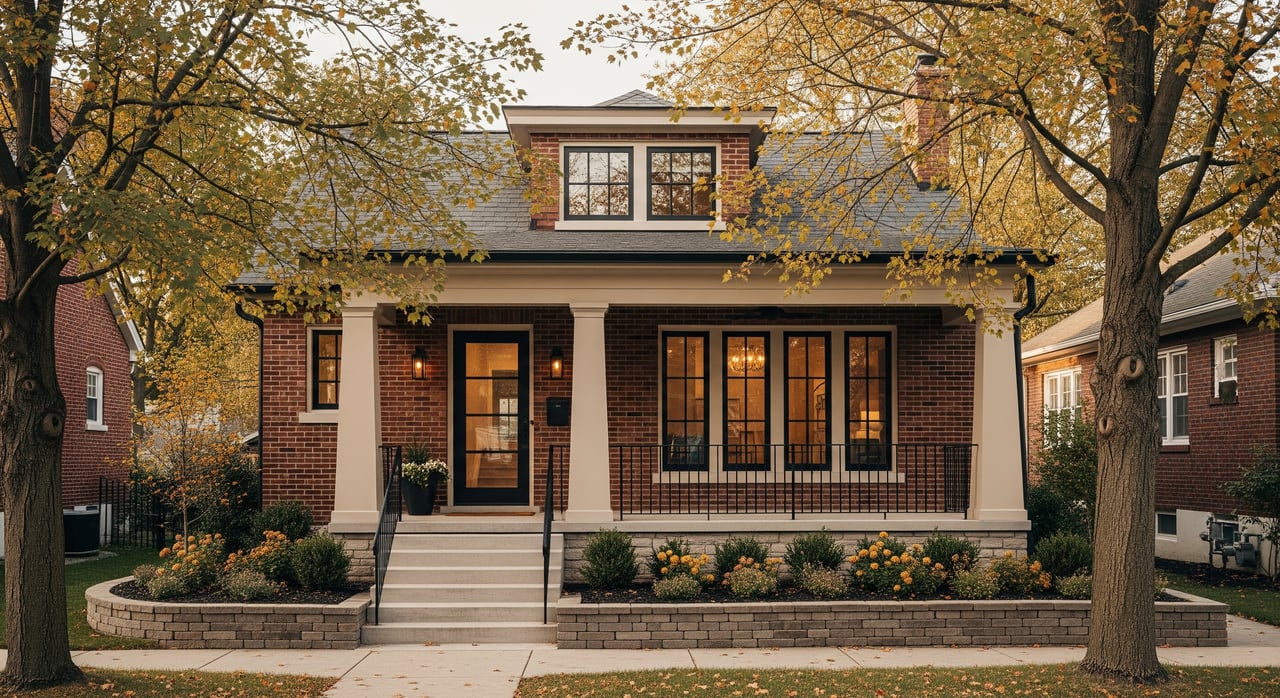
Buying your first home in Norwood is exciting, especially if you want a walkable community close to Cincinnati. You might also be wondering how to balance older-home charm with a smart budget and a strong offer in a competitive price range. This guide gives you a clear plan for buying in Norwood, with local tips, timelines, and trusted resources to help you feel confident from pre-approval to keys. Let’s dive in.
Why Norwood appeals to first-time buyers
Location and lifestyle
Norwood sits inside Hamilton County and borders Cincinnati, so you get short commute options and easy access to city amenities. The community pattern is compact and walkable in many areas. Buyers often weigh proximity to work, transit, and local schools when choosing a street or micro-neighborhood.
Housing types and upkeep
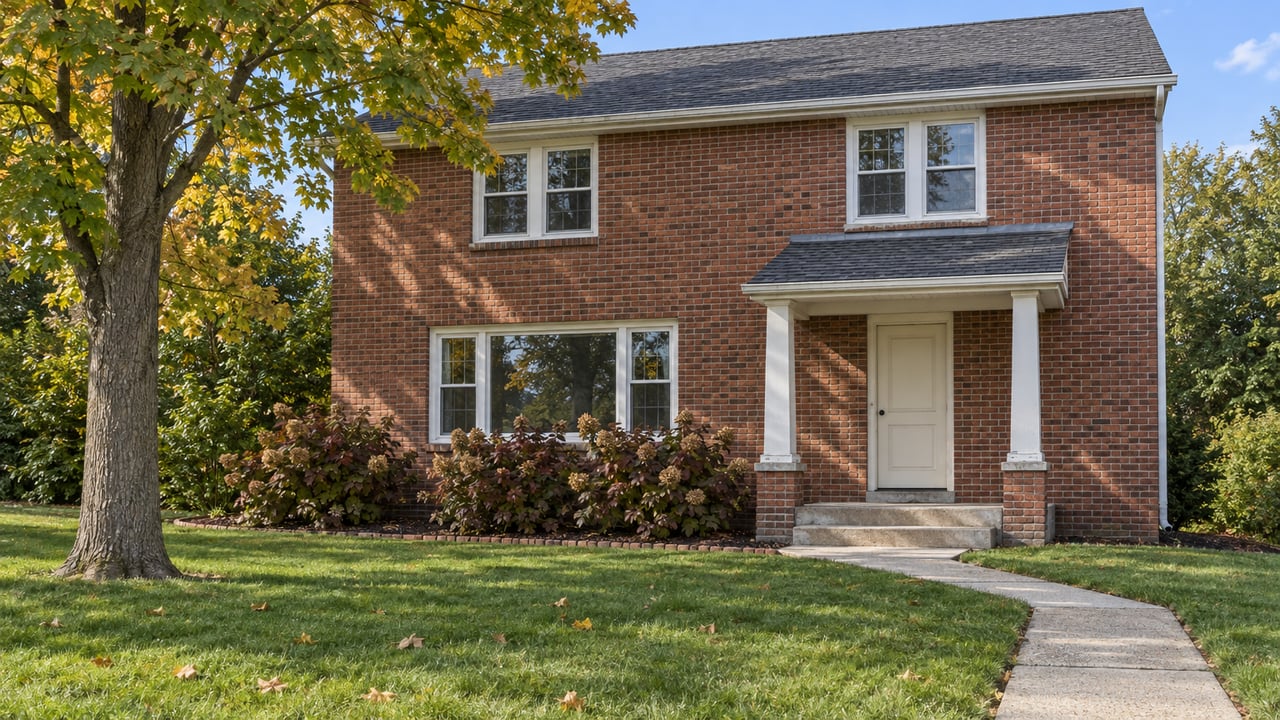
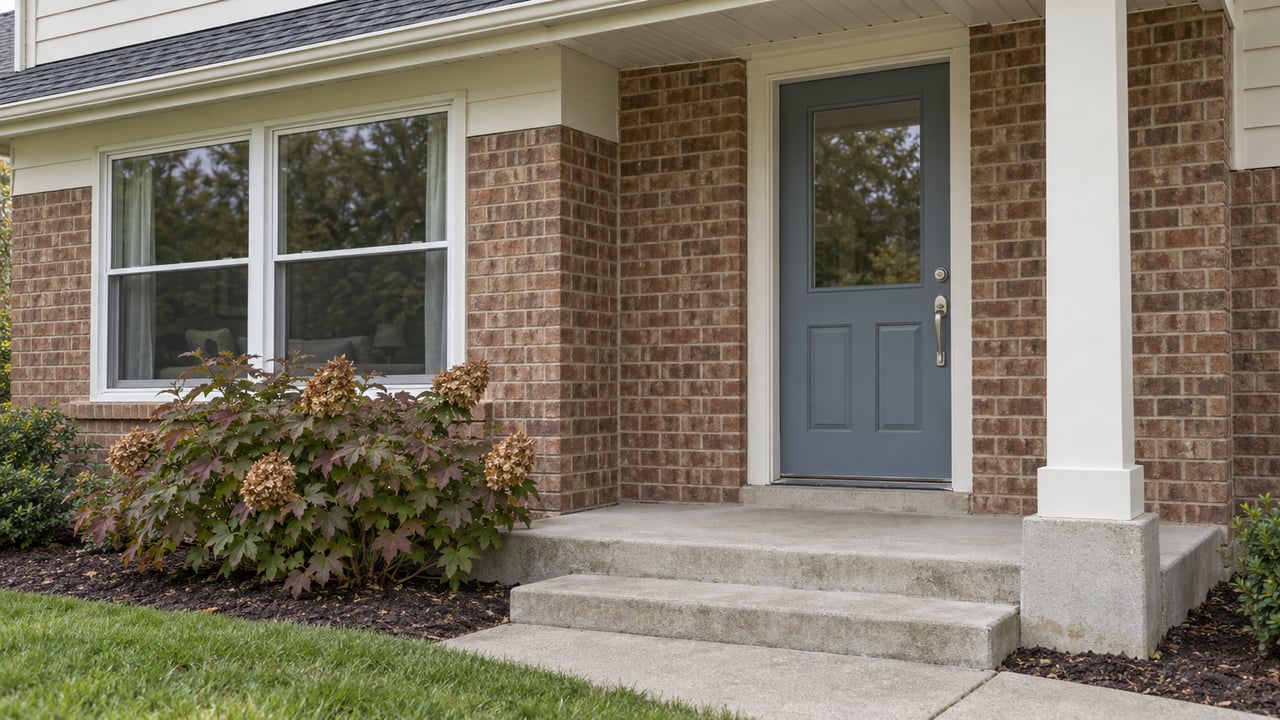
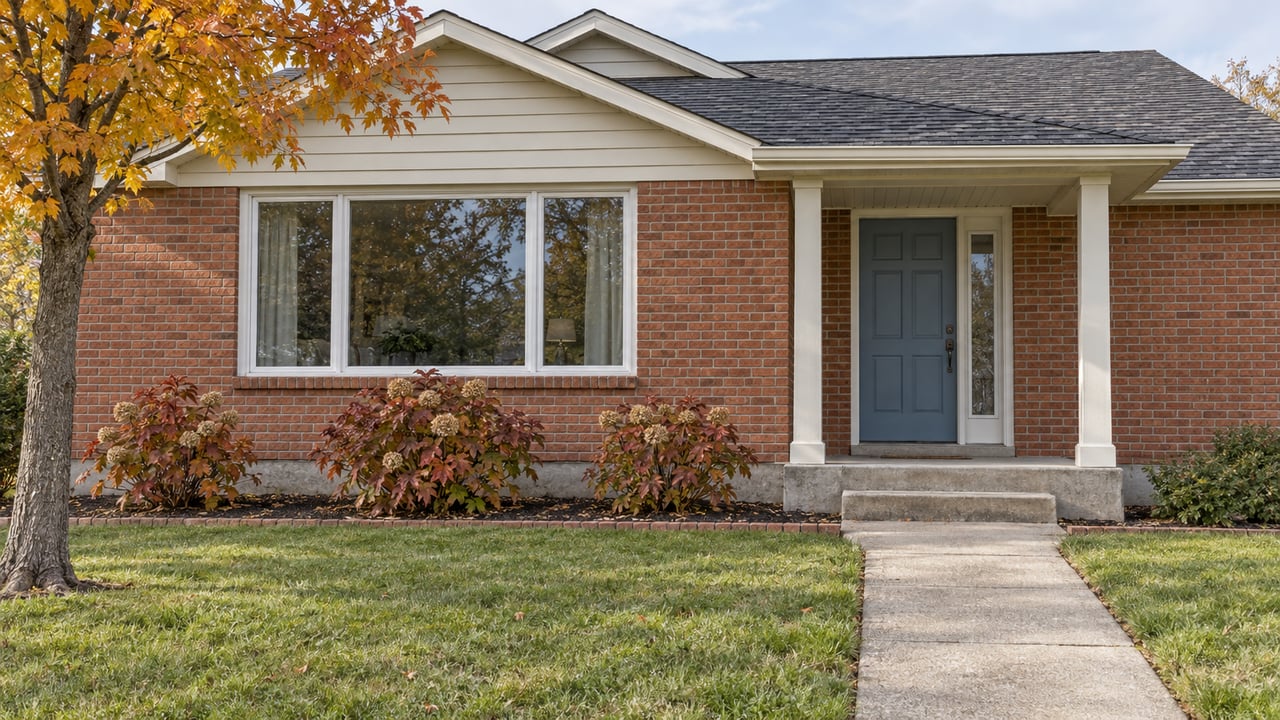
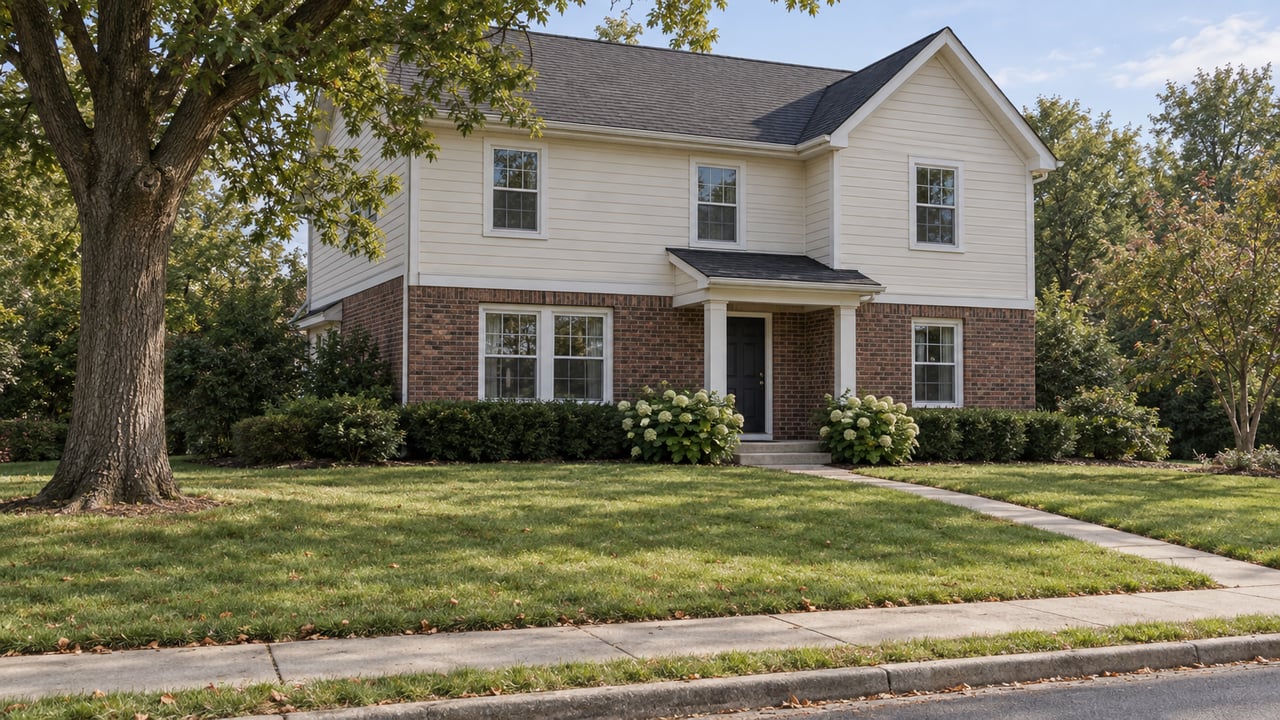
Most homes in Norwood are early 20th century builds, including bungalows, brick homes, and some multi-family or duplex options. You will also find a few later infill homes and small condo developments. Lots are typically smaller with mature trees and established streets. Older homes can offer character and detail, but plan for potential updates to systems like electrical, plumbing, and HVAC.
Competition and pace
Inner-ring suburbs near larger cities often see steady demand from first-time buyers, local employees, and investors. In popular price bands, you may need to make decisions quickly. Inventory and pricing shift often, so check current local MLS data or ask a local agent for the latest days-on-market and supply trends before you write an offer.
Budget and mortgage prep
Build your budget
Start with a monthly number that feels comfortable. Include mortgage principal and interest, property taxes, homeowners insurance, utilities, and maintenance. Add a cushion for unexpected repairs, especially if you are buying an older property.
You will also need cash for your earnest money deposit, down payment, and closing costs. Closing costs commonly range from 2 to 5 percent of the purchase price. Keep recent bank statements and proof of funds handy for your lender and offer package.
Pre-approval basics
A written pre-approval from a lender helps define your price range and makes your offer stronger. Be ready to provide a photo ID, recent pay stubs, W-2s or 1099s, tax returns, and recent bank statements. The pre-approval process can be fast, often 1 to 7 days once your documents are in. Ask your lender to review first-time buyer options and local assistance programs that fit your profile.
Financing and assistance in Ohio
Loan options overview
- FHA loans - low down payment, typically 3.5 percent, with mortgage insurance.
- Conventional loans - some programs allow as little as 3 percent down, with private mortgage insurance until you reach the required equity.
- VA loans - zero down for eligible veterans and service members, no PMI.
- USDA loans - zero down for eligible rural properties, based on location and income.
If you are comparing lenders and loan types, the Consumer Financial Protection Bureau’s mortgage guides can help you understand rates, costs, and terms.
Down payment help in Ohio
The Ohio Housing Finance Agency offers state-level mortgages and down payment assistance for qualified first-time buyers. Programs change, and many have income, purchase price, and education requirements. Review current offerings and talk with your lender about how OHFA assistance can be layered with your primary loan.
Counseling support
If you want help building a budget, improving credit, or understanding assistance programs, contact a HUD-approved counselor. Start with HUD’s housing counseling resources. Many local agencies in the Cincinnati area offer first-time buyer education and can point you to grants or forgivable loans when available.
Search and offer strategy in Norwood
Match homes to your needs
In Norwood, you will see a mix of single-family homes and multi-family properties. If you are considering a duplex, plan to review zoning, rental registration, and any landlord rules with the City of Norwood before you finalize a purchase. For condos or townhomes, check whether there is an HOA and review its rules, fees, and reserve budgets.
Writing a strong offer
A complete offer package usually includes your pre-approval letter, proof of funds for your earnest deposit, and your proposed inspection timeline. In competitive situations, some buyers use larger earnest money, flexible closing dates, or escalation clauses. Work with your agent to weigh the risks and to protect key contingencies so your purchase remains safe and affordable.
Inspections and older homes
Key inspections for Norwood housing
Order a comprehensive home inspection that covers structure and major systems. Depending on the property, consider a pest or termite inspection, sewer scope, radon test, and HVAC evaluation. Your contract will define the inspection period, which is often 7 to 10 days after acceptance, but this is negotiable.
Lead paint and safety
Many Norwood homes were built before 1978, so federal lead-based paint disclosures apply. Review disclosures carefully and consider testing, especially if you plan to renovate. For background and safety steps, see the EPA’s lead disclosure guidance for real estate.
Permits and zoning
If a home has additions, decks, or structural changes, confirm that permits were obtained and closed properly. If the property is in a historic area or has protected exterior features, you may need design review for certain changes. Your agent can help you check the City of Norwood planning or community development rules so you know what is allowed.
Appraisal, underwriting, and closing
Appraisal and value checks
Your lender orders the appraisal after you apply for the loan. Appraisals in many markets are completed within 7 to 14 days, but timing varies. If the appraisal comes in low, you and the seller will need to negotiate a price change, you may add cash, or the lender may adjust terms based on the contract.
Underwriting and timeline
Once inspections and appraisal are complete, your lender’s underwriting team reviews the file. Expect requests for updated documents. Respond quickly to avoid delays. A typical financed purchase closes in about 30 to 45 days from contract to keys, depending on lender turn-times and how quickly the appraisal and title work are completed.
Closing day
You will review and sign your Closing Disclosure, mortgage note, deed, and title documents. The Closing Disclosure shows your final cash to close. After the loan funds and the deed records, you receive keys based on the contract possession terms.
Taxes, insurance, and risk checks
Property tax and assessments
Property taxes vary by property and by levies. Before you offer, verify the current tax bill, assessments, and recent property valuation through the Hamilton County Auditor. Ask your lender to estimate escrow amounts for taxes and insurance so your monthly payment reflects the full cost of ownership.
Flood and environmental checks
Confirm whether a home is in a flood zone using the FEMA Flood Map Service Center. If flood insurance is required by your lender, factor the premium into your budget. In areas near past industrial use, consider environmental records and additional inspections if needed. Radon testing is common in many parts of Ohio.
Utilities and monthly costs
Ask for average utility costs to help you budget. Older homes can have higher heating or cooling expenses, especially if windows, insulation, or HVAC systems are dated. Note trash and recycling schedules and providers through City services so you are ready to go on move-in day.
First-time buyer checklist
- Get your credit reports and pay down revolving balances if possible.
- Set a monthly housing budget that includes taxes, insurance, and maintenance.
- Gather documents for pre-approval: photo ID, Social Security number, last 2 years of W-2s or 1099s, recent pay stubs, 2 to 3 months of bank statements, and tax returns.
- Compare loan options and request a written pre-approval.
- Explore down payment assistance through OHFA and review counseling options through HUD.
- Tour homes that fit your price, commute, and maintenance comfort level.
- Write a complete offer package with your agent.
- Order inspections appropriate to the property’s age and condition.
- Review appraisal and lender conditions, then finalize underwriting.
- Review your Closing Disclosure, wire verified funds, and plan move-in logistics.
Documents to bring to the finish line
- Government ID and Social Security number
- Last 2 years of tax returns and W-2s or 1099s
- Recent pay stubs covering 30 days
- 2 to 3 months of bank statements for all accounts
- Retirement account statements if using funds
- List of monthly debts
- Gift letters and documentation if funds are a gift
What to expect on costs
- Down payment - based on your loan program
- Closing costs - commonly 2 to 5 percent of the purchase price for lender, title, and prepaid items
- Property taxes and homeowners insurance - confirm with the Hamilton County Auditor and local insurers
- Private mortgage insurance - applies to certain low down payment loans until you reach required equity
Next steps
- Get pre-approved - gather your documents and speak with a local lender about programs that fit your budget.
- Schedule a consult with a local agent who knows Norwood’s housing stock and contract norms.
- Review assistance options - check OHFA’s programs and speak with a HUD-approved counselor if you want extra guidance.
- If you have a specific home in mind, line up a general inspection and any specialty tests like radon or sewer, and confirm tax and utility expectations.
If you want a steady, step-by-step partner for your first purchase in Norwood, reach out to Angel Munafo Apking for clear guidance, local insight, and a plan that fits your timeline.
FAQs
How much do I need for a down payment in Norwood?
- It depends on your loan. FHA can start at 3.5 percent, some conventional loans at 3 percent, and VA or USDA may be zero down if you qualify. Plan an additional 2 to 5 percent for closing costs.
How long does closing usually take for first-time buyers?
- Many financed purchases close in about 30 to 45 days from offer acceptance, depending on appraisal timing, lender underwriting, and title work.
What inspections should I consider for older Norwood homes?
- Order a full home inspection, then consider pest or termite, radon, sewer scope, and HVAC evaluations. For homes built before 1978, review lead paint disclosures and consider testing.
Are there first-time buyer assistance programs in Ohio?
- Yes. The Ohio Housing Finance Agency offers programs for qualified buyers, and HUD-approved counseling agencies can guide you through eligibility and education requirements.
How can I verify property taxes before I offer?
- Use the Hamilton County Auditor’s website to review current taxes, assessments, and valuation history for a specific address.
Do I need flood insurance in Norwood?
- It depends on the property’s location. Check the FEMA Flood Map Service Center to see if a home is in a flood zone and whether insurance is required by your lender.