Looking for a Cincinnati-area suburb where you can actually leave the car at home sometimes? If Madeira is on your list, you are probably trying to balance walkability, neighborhood feel, commute convenience, and home prices that still make sense for your goals. This guide will help you understand how walkable Madeira really is, what daily life feels like, and how to shop smart in a market where inventory can be tight. Let’s dive in.
Why Madeira Stands Out
Madeira offers something many suburban buyers want but do not always find: a real town center with neighborhood-scale living around it. Official city information describes the central business district along Miami Avenue, Euclid Avenue, Laurel Avenue, and Camargo Road, with more than 150 retail and service businesses.
That matters because Madeira is not trying to be an urban core. Walk Score rates the city at 69 out of 100, which means some errands can be done on foot, but it still functions as a suburb. If you want a place that feels compact and connected without giving up suburban space, Madeira fits that middle ground well.
Madeira is also physically small, with about 9,637 residents across 3.35 square miles. That compact size helps daily life feel more convenient, and it supports the sense that many parts of the city are closely tied to the downtown area.
How Walkable Is Madeira?
Walkability in Madeira is best understood as practical suburban walkability. You are not looking at block after block of dense mixed-use development, but you may be able to walk to coffee, services, events, or local businesses depending on where you live.
The city says its central business district is walkable from almost anywhere in Madeira. For many buyers, that is one of the biggest draws. You can enjoy a neighborhood setting while still having a main street area that feels active and useful.
That downtown character is shaped by more than store count alone. Madeira’s zoning code for the downtown district favors traditional architectural references like English Colonial, Colonial Revival, Tudor Revival, and Craftsman styles. In everyday terms, that helps the area feel more like a small-town center than a typical strip-commercial corridor.
What Daily Life Feels Like
Madeira’s appeal is not just about getting from point A to point B on foot. It is also about how your week might feel once you live there. The city combines a compact layout with parks, events, and local gathering spaces that give the community a steady rhythm.
For buyers who want a connected suburb, that rhythm can matter as much as square footage. You may be thinking about where you will spend Saturday mornings, where you can take a walk, or how easy it is to enjoy local events without a long drive.
Parks Add Everyday Convenience
Madeira operates three parks, and each one adds something different to daily life. McDonald Commons is a 17-acre park that was renovated in 2023 and 2024 with athletic fields, pickleball and tennis or multi-use courts, an event lawn, a four-season community room, a farmers market and event vendor area, and an ADA-friendly playground.
Sellman Park and the Hosbrook Bird Sanctuary add more neighborhood-scale green space. The Hosbrook Bird Sanctuary also includes the Story Trail, which adds another simple outdoor option for residents who want easy local recreation.
Community Events Shape the Town
Madeira’s recreation calendar includes recurring events like the Independence Day parade and fireworks, the Memorial Day March, Street Dance, and Light-Up Madeira. These events help define the city’s identity and give the downtown area a predictable, community-centered pattern throughout the year.
If you are comparing suburbs, this is one of those details that can be easy to miss online but important once you move. A place with regular public events often feels more connected and easier to settle into.
Commute Access for Cincinnati Buyers
Madeira is about 12 miles northeast of downtown Cincinnati, and the city notes convenient access from I-71. For many buyers, that is a key part of the equation. You can get the neighborhood feel of a smaller suburb while staying connected to major work and activity centers.
The Census reports a mean travel time to work of 17.8 minutes. That number will vary by destination and schedule, of course, but it does support the idea that Madeira can work well for buyers who want a manageable commute along with suburban living.
Where Walkability Is Best
Not every part of Madeira will feel the same day to day. The city behaves more like a collection of micro-markets than one uniform neighborhood, so location inside Madeira matters.
Walk-to-Town Areas
The strongest fit for buyers focused on walkability is the core around Miami, Euclid, Laurel, and Camargo. This is where you are most likely to enjoy short access to restaurants, services, small businesses, and community events.
If your goal is to be able to step out for a quick errand or enjoy the downtown setting more often, this area deserves close attention. In a market with limited listings, even a few blocks can change how connected a home feels.
Park-Centered Areas
Homes near McDonald Commons, Sellman Park, and the Hosbrook Bird Sanctuary may appeal if your version of walkability is more about outdoor time and community programming. These pockets lean less on commercial access and more on recreation, green space, and neighborhood convenience.
For some buyers, that is the better match. You may care less about walking to businesses and more about being near courts, fields, playgrounds, or trails.
More Space, Less Walking
Current listings in areas like Kenwood Hills and on Mapleridge suggest another Madeira lifestyle option. Some homes there offer wooded or larger lots, and certain properties include features like community-pool access or elevated views.
The tradeoff is simple: you may get more privacy and yard space, but usually with less walkability than the town core. That is why your home search should start with lifestyle priorities, not just bedroom count.
What Homes in Madeira Look Like
Madeira does not offer one single housing style. Its housing timeline stretches from early historic homes to mid-century and postwar properties, with homes documented by the Madeira Historical Society dating from 1813 through 1948.
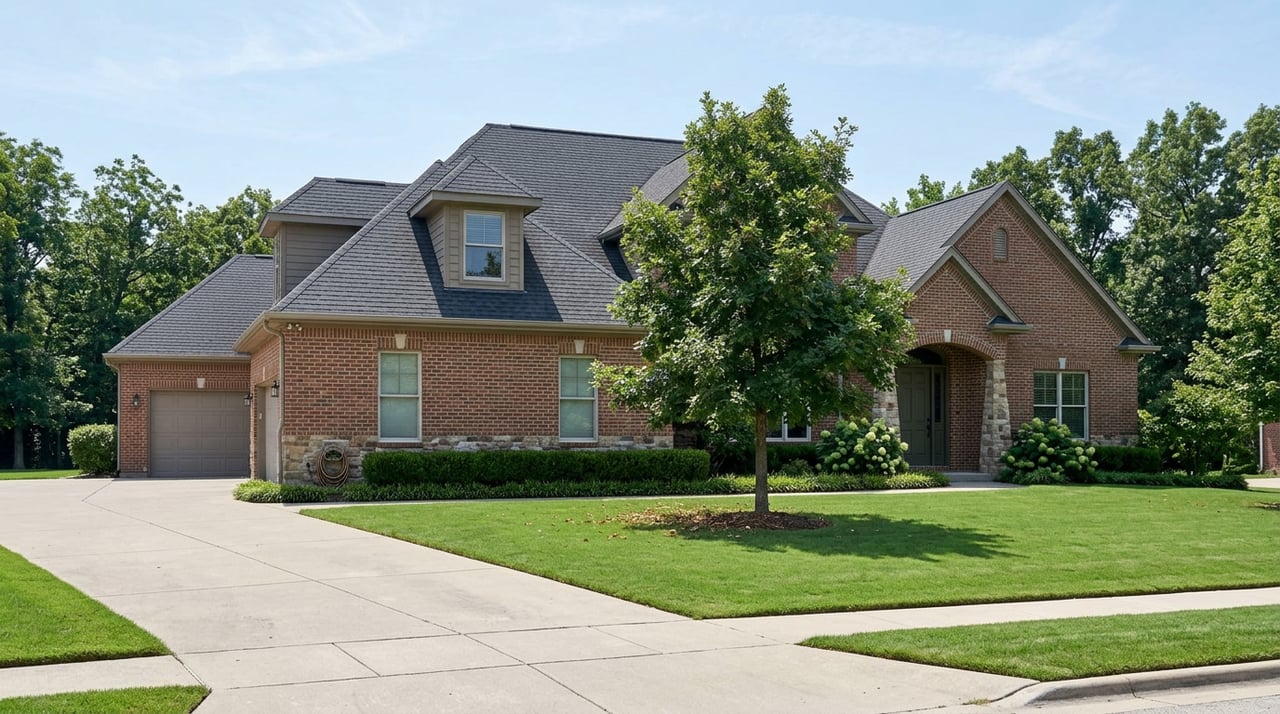
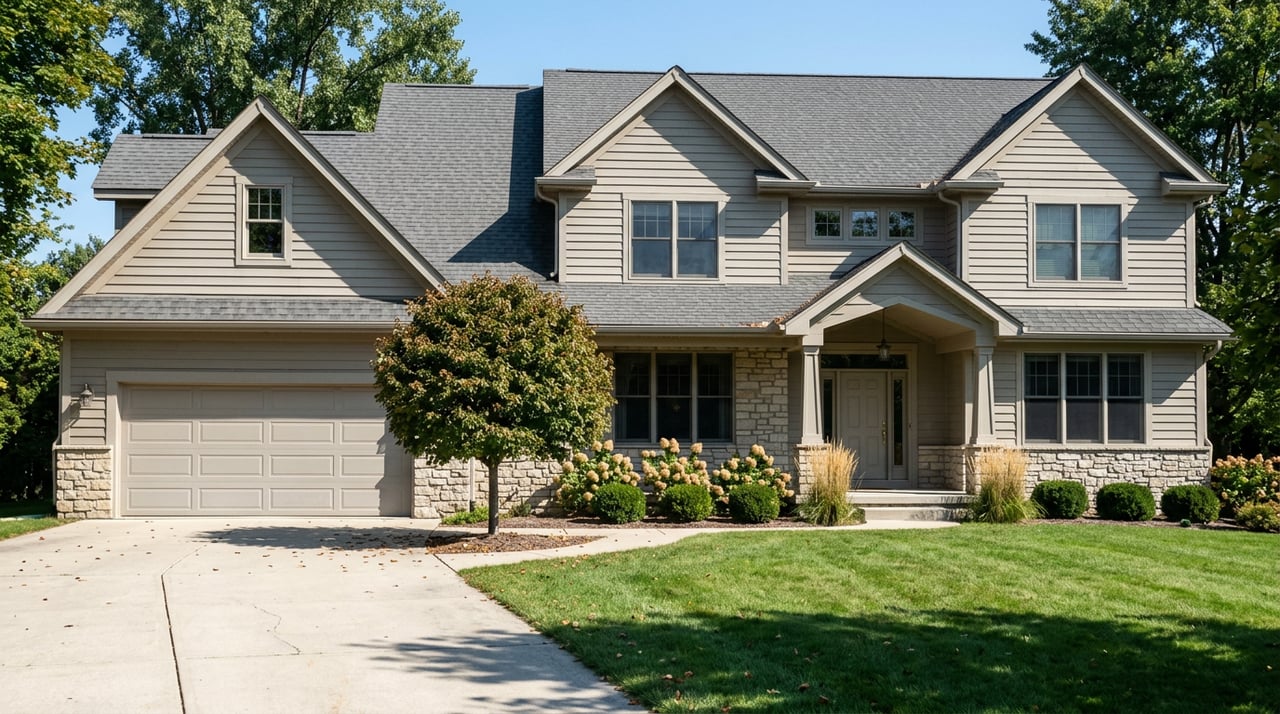
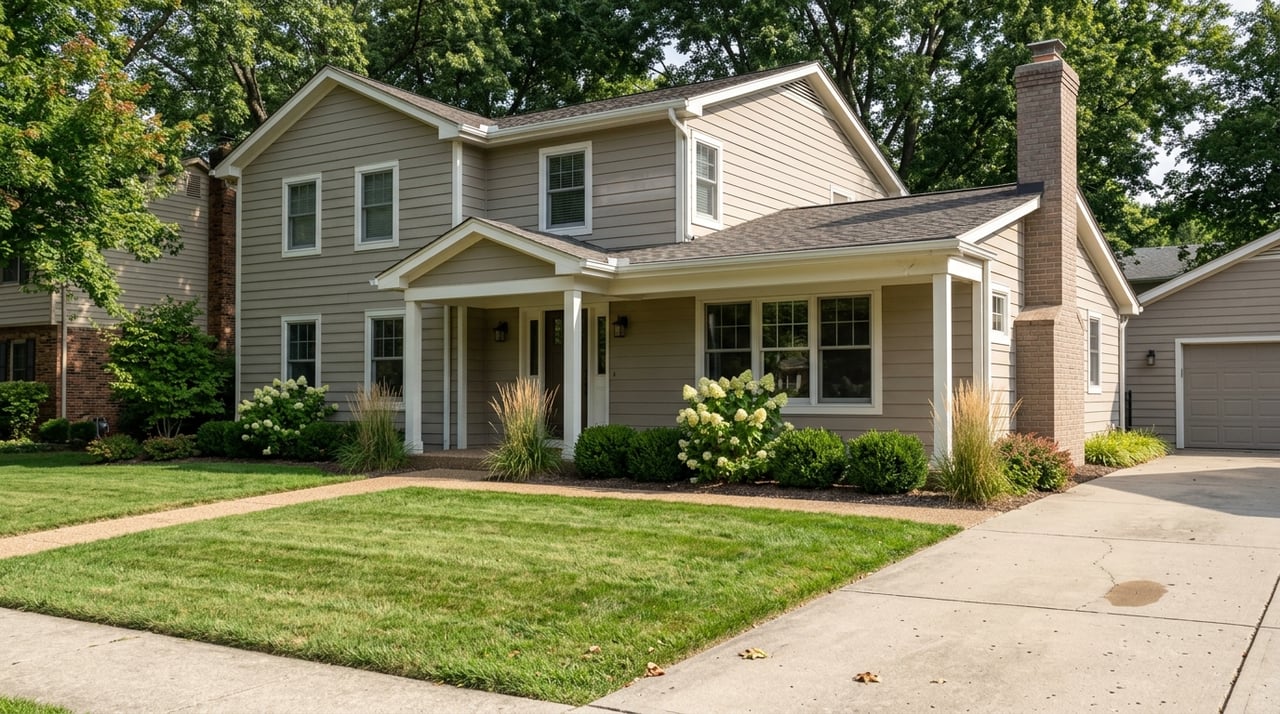
Today, that older housing base still shapes the market. Recent listings have included a move-in-ready Cape Cod, a brick ranch, and a ranch with mid-century features. In practical terms, you are likely to compare older traditional homes, updated ranches, and occasional newer construction rather than rows of identical homes.
That variety can be a plus if you want character and neighborhood texture. It also means condition, updates, and lot placement can vary a lot from one listing to the next.
What Buyers Should Expect on Price
Madeira is not an entry-level market across the board. Current market snapshots from multiple sources place it broadly in the mid-hundreds of thousands, with plenty of variation by home size, condition, and location.
Recent reported figures include a Redfin median sale price of $597,247 for the three months ending May 2026, a Zillow average home value of $545,311 and median list price of $602,167, and a Realtor.com median listing price of $735,000 with a median sold price of $548,604. Trulia’s size-based estimates also show the spread, with current values of $341,515 for 2-bedroom homes, $464,082 for 3-bedroom homes, and $655,925 for 4-bedroom homes.
The listing range also shows how broad the market can be. Redfin’s current feed included both a $469,900 home and a $1,049,000 new-construction home, which confirms that Madeira spans sub-$500K opportunities as well as seven-figure properties.
Why Inventory Matters So Much
Madeira’s inventory is limited enough that small differences matter. In late May 2026, active listing counts varied by source from 24 to 42 homes, with Redfin showing 29 and Zillow showing 24.
That is one reason buyers need to think street by street, not just city wide. Realtor.com neighborhood data points to small pockets like Osceola Park, Madeira Heights, Longfield, Kenview, Miami Hills, and Kenwood Hills often having only a handful of active listings at a time.
When supply is that tight, a home’s exact pocket, walkability, lot size, and update level can have an outsized effect on both price and competition. Two homes with similar square footage may attract very different attention based on those details alone.
Is Madeira a Competitive Market?
Yes, current snapshots suggest Madeira moves quickly. Redfin reported homes selling in about 37 days and around 2% above list, while Realtor.com reported a 23-day median time on market and a sale-to-list ratio near 100%.
For you as a buyer, that means preparation matters. If you are serious about Madeira, it helps to have a clear budget, a realistic wish list, and a good understanding of which tradeoffs you are willing to make.
Smart Tips for Buying in Madeira
If you are targeting walkable Madeira living, keep these points in mind:
- Define walkability your way. Decide whether you want walkable errands, walkable parks, or walkable event access.
- Search by pocket, not just by city. Madeira’s micro-markets can feel very different from one area to another.
- Expect older housing stock. Character can be a big plus, but updates and maintenance history matter.
- Be ready for limited inventory. Fewer listings can mean less room to wait.
- Use price ranges, not one headline number. Madeira spans multiple tiers, from sub-$500K homes to selective seven-figure options.
Why Madeira Appeals to Cincinnati Buyers
For many Cincinnati buyers, Madeira hits a rare sweet spot. It offers a suburban setting with a true main street feel, easy access to parks and local events, and a location that stays connected to downtown Cincinnati and I-71.
The tradeoff is price and competition. If walkability, community rhythm, and a compact suburban footprint are high on your list, Madeira can be worth the extra attention and planning.
If you want help comparing Madeira’s micro-markets, identifying the best walkable pockets for your lifestyle, or planning your move in a competitive market, reach out to Angel apking. She offers high-touch guidance for buyers across northeast Cincinnati suburbs and can help you navigate Madeira with confidence.
FAQs
How walkable is Madeira, Ohio, for homebuyers?
- Madeira has a Walk Score of 69, which means some errands can be done on foot. The strongest walkability is around the central business district along Miami, Euclid, Laurel, and Camargo.
What is downtown Madeira like for Cincinnati buyers?
- Downtown Madeira has more than 150 retail and service businesses, and its traditional design standards help it feel more like a small main street than a strip-commercial area.
What types of homes can you find in Madeira?
- Madeira has a mix of older traditional homes, Cape Cods, brick ranches, mid-century ranches, and occasional newer construction.
What are home prices like in Madeira, Ohio?
- Recent market snapshots place Madeira broadly in the mid-hundreds of thousands, with reported prices ranging from sub-$500K homes to listings above $1 million depending on size, condition, and location.
Is Madeira a competitive housing market?
- Yes. Recent reports show limited inventory, homes selling in roughly 23 to 37 days, and sale prices often near or above list price.
What makes Madeira appealing for daily life?
- Buyers are often drawn to Madeira for its compact layout, local parks, recurring community events, and convenient access to downtown Cincinnati and I-71.