Thinking about selling your current home and moving up in Norwood? It can feel exciting and overwhelming at the same time. When you are trying to unlock equity, buy more space, and keep your timeline on track, a clear plan matters. In a city with older housing stock and an active market, the details can make a big difference. Let’s dive in.
Why upsizing in Norwood takes planning
Norwood is a compact city in the heart of Greater Cincinnati with strong transportation access and just over three square miles of land. The 2020 Census reports a population of 19,043, a population density of 6,058.9 people per square mile, and a mean travel time to work of 21.7 minutes. That central location can make Norwood appealing when you want to stay connected to the wider Cincinnati area while moving into a home that better fits your next stage.
The housing market is active, but it is not a market where you should expect everything to happen instantly. Recent snapshots show a median sale price of about $307,091, 33 to 45 median days on market depending on the source, and a sale-to-list ratio near 98%. That means homes are moving, but sellers still benefit from pricing, prep, and timing strategies.
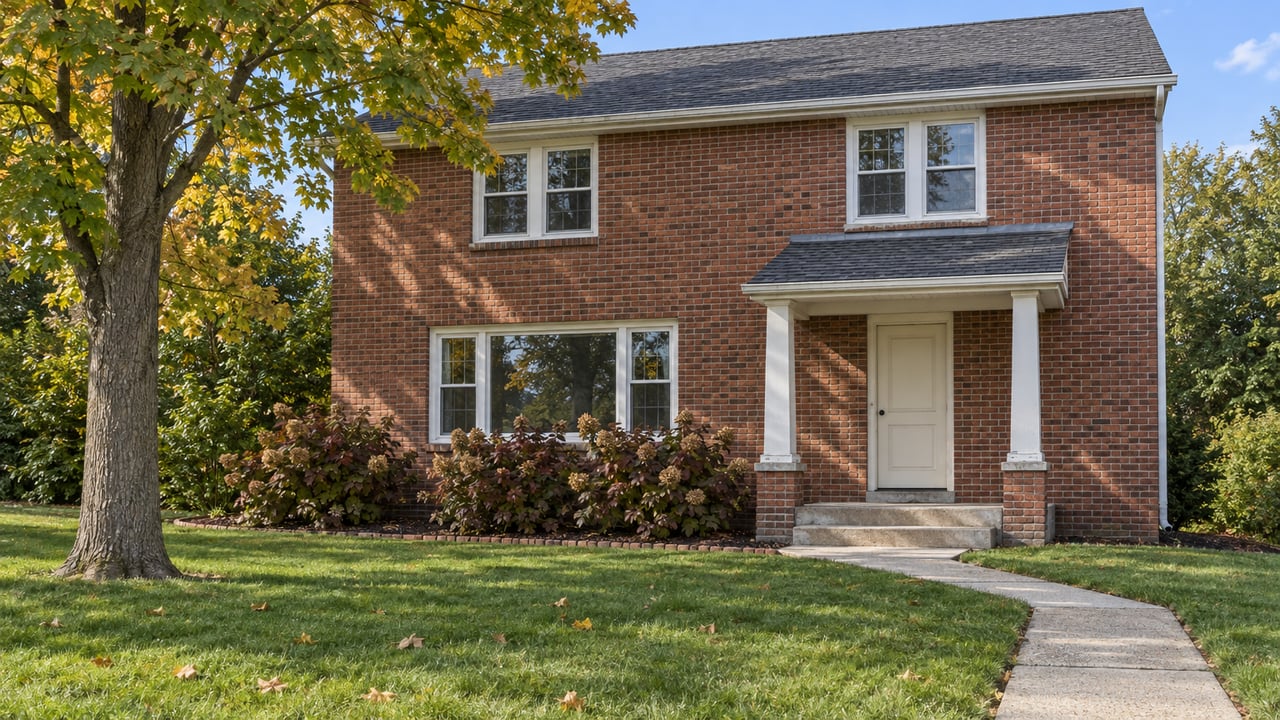
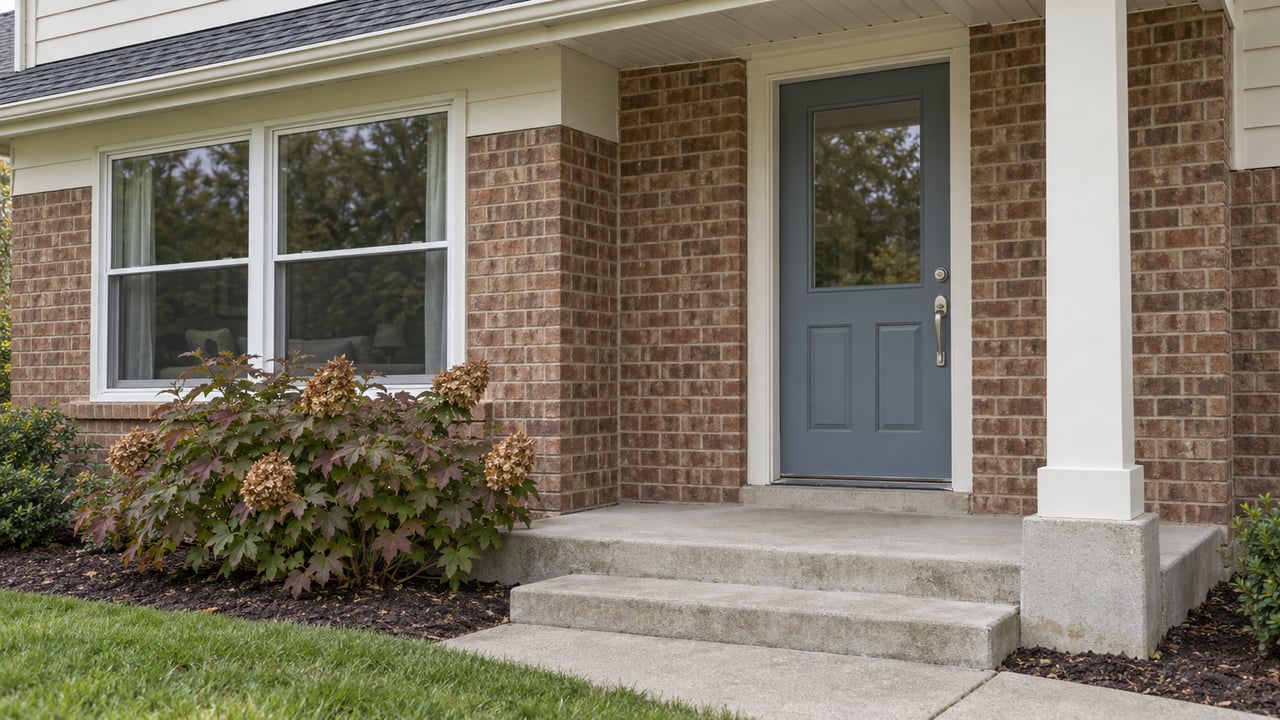
Norwood’s older housing stock adds another layer to the process. Many homes were built between 1890 and 1930, and the city’s housing action plan notes that older homes are converting back to single-family use. If you are selling and upsizing, that often means giving extra attention to repairs, maintenance, and pre-listing cleanup before you go live.
Step 1: Start with your equity
Before you shop for your next home, get clear on what your current home may realistically net you. Start with an estimate of market value, then subtract your mortgage payoff and expected selling costs. That gives you a more useful picture of what you may have available for a down payment, closing costs, and moving expenses.
In Hamilton County, local transfer-related charges are an important part of that math. The county auditor lists a State of Ohio conveyance fee of $1.00 per $1,000 of sale price, a Hamilton County permissive tax of $2.00 per $1,000, and a $0.50 state transfer tax per parcel. On a one-parcel $300,000 sale, those charges total about $900.50 before other negotiated costs.
If you are comparing your current payment to a larger home, it also helps to use a local ownership benchmark. The Census Bureau lists Norwood’s median selected monthly owner cost with a mortgage at $1,683. That is not a quote for your future payment, but it can help you think through how much more monthly cost feels comfortable for your household.
Step 2: Decide if you need to buy first
One of the biggest upsizing questions is whether you need to buy your next home before your current one sells. Some homeowners prefer to sell first so they know exactly how much equity they can use. Others need more flexibility because they want to secure the next property before moving out.
If you need to buy before selling, bridge or swing financing can be one option when guideline conditions are met. Another possible tool is a written rent-back arrangement after your sale closes. The key is to understand early how your financing, cash flow, and timeline would work together.
It is also important to know what a rent-back does and does not do. Fannie Mae allows seller-paid rent-back credits as part of a sale, but those credits cannot be used as eligible funds for closing costs, down payment, or reserves when qualifying a borrower. In simple terms, rent-back can help with timing, but it is not a substitute for purchase funds.
Step 3: Prepare your Norwood home for market
In Norwood, prepping your home often means focusing on practical improvements instead of a major remodel. Because so many homes are older, buyers tend to notice deferred maintenance, visible wear, and clutter quickly. A thoughtful pre-listing plan can help your home show better and reduce surprises once inspections begin.
Start with the basics:
- Repair visible issues you already know about
- Declutter rooms, closets, and storage areas
- Deep clean the home from top to bottom
- Tidy up exterior areas and entry points
- Address small maintenance items that make the home feel neglected
This step matters because the market is measured in weeks, not hours. With median days on market in the 33 to 45 day range, a clean and well-prepared home can help you protect your price and attract stronger interest earlier.
Step 4: Search for the next home with timing in mind
Once you understand your equity and sale plan, you can search for your next home more strategically. This is where many upsizers go wrong. They focus only on the wish list and not enough on how the move will actually happen.
As you shop, think through your move in one of three ways:
- Same-day closing: You sell and buy on the same day
- Short overlap: You carry both homes briefly
- Rent-back period: You sell first and stay in the home for a short written period after closing
Norwood’s market activity means good homes can still move quickly enough that you need to be prepared. At the same time, the market is not so fast that every transaction will naturally line up without planning. Building your search around a realistic timing structure can reduce stress later.
Step 5: Coordinate closing dates early
Closing dates are not just paperwork dates. They affect your move, your utilities, your lender requirements, and your day-to-day routine. If you are trying to line up a sale and purchase close together, it helps to work backward from possession needs instead of assuming everything will fall into place at the end.
Hamilton County’s transfer desk processes submissions after 3:20 p.m. the next business day. That may not sound like a big detail, but it matters when you are trying to coordinate back-to-back closings. The county also requires transfer paperwork such as DTE 100 or DTE 100 EX for conveyances, so there are real administrative steps behind the scenes.
If you are using a rent-back or post-closing occupancy period, get that documented early in the contract and reviewed with your lender. A short rent-back can solve a timing gap, but it should never be treated like an informal handshake arrangement. The more clearly this is set up from the start, the smoother your transition is likely to be.
Build a move calendar, not a guess
The best upsizing plans use a calendar with real deadlines. That includes inspection periods, financing milestones, closing dates, possession dates, packing days, and utility shutoff or transfer dates. A written calendar helps you spot timing gaps before they turn into last-minute problems.
One local item that is easy to overlook is your water account. Norwood’s water department says final readings should be scheduled several business days before the owner gives up access, and staff often need basement access because many meters are located there. That means utility coordination needs to be part of your move-out planning, not something you leave for the final day.
If your dates do not line up perfectly, build in a fallback plan. That might mean a brief rent-back, a delayed closing, or a firm move-out date with temporary housing in between. The important part is deciding that early instead of trying to improvise during closing week.
Budget for more than the down payment
When people think about upsizing, they often focus on the down payment and new mortgage. Those are important, but they are not the full picture. A smart move-up budget also includes local seller transfer charges, buyer-side closing costs, recording fees, moving expenses, and a cushion for repairs or timing gaps.
Hamilton County recording fees are separate from transfer fees. The Recorder lists a basic recording fee of $34 for the first two pages and $8 for each additional page. This is usually a small line item compared with other closing costs, but it still belongs in your budget.
Older housing stock is another reason to stay conservative. Whether you are selling an older home or buying one, inspections may uncover small fixes or repair needs that affect your cash flow. Protecting your equity means leaving room for the real-life costs that can show up during a move.
A practical upsizing checklist
If you want a simple way to organize the process, use this checklist:
- Estimate your current home value
- Calculate mortgage payoff and likely sale costs
- Set a comfortable payment target for the next home
- Decide whether you need to buy before selling
- Talk through timing options like overlap or rent-back
- Prep your current home for market
- Start your home search with timing already mapped
- Build a move calendar with utility and possession dates
- Budget for local transfer fees, recording fees, and repair cushions
- Confirm every closing and occupancy detail early
Upsizing in Norwood can absolutely work well, but it usually works best when each step supports the next one. A good plan helps you protect your equity, reduce stress, and move forward with more confidence.
When you are ready to map out the smartest next step for your move, Angel apking can help you build a clear, local strategy for selling and upsizing in Norwood.
FAQs
How long does it usually take to sell a home in Norwood?
- Recent market data shows median days on market in the range of 33 to 45 days, depending on the source and the snapshot date.
What local fees should Norwood sellers budget for?
- In Hamilton County, sellers should account for the State of Ohio conveyance fee, the Hamilton County permissive tax, and the per-parcel state transfer tax, plus other closing costs that may apply.
Can you buy a new home before your current Norwood home sells?
- Yes, in some cases bridge or swing financing may help when guideline conditions are met, and some sellers also use a short written rent-back arrangement to help with timing.
Why does older housing stock matter when selling in Norwood?
- Because many Norwood homes were built between 1890 and 1930, visible repairs, maintenance, decluttering, and cleanup can play a bigger role in pre-listing preparation.
What should Norwood homeowners remember about utility timing?
- Norwood’s water department says final readings should be scheduled several business days before access is given up, and staff often need basement access to read the meter.
What is the biggest mistake when upsizing in Norwood?
- A common mistake is focusing only on the next home without creating a clear plan for equity, timing, closing coordination, and move-out logistics first.