Trying to figure out which Milford neighborhood fits your life? This small river town packs a surprising amount of variety into just a few square miles, which makes choosing the right pocket both exciting and a bit overwhelming. You want the right blend of walkability, home style, price, schools, and commute. In this guide, you’ll get a clear, local breakdown of Milford’s main neighborhoods, typical home types and price bands, plus what to know about walkability, recreation, flood zones, schools, and transit. Let’s dive in.
Why Milford stands out
Milford sits along the Little Miami River about 16 miles east of downtown Cincinnati. Its compact, historic Main Street is the heart of town, with cafes, shops, and community events, and it connects to the Little Miami Scenic Trail for biking and running. Get a feel for the town’s character by exploring the city’s visitor pages and events on the City of Milford site and the Downtown Milford Association.
Market snapshots for the Milford area often show median listing and sale prices in the low to mid six-figure range with modest inventory. Exact numbers move quickly by street and home type, so plan to verify current pricing through up-to-date MLS data when you are ready to write an offer.
How Milford is laid out
Even though Milford is compact, buyers usually think about it in four broad pockets:
- The walkable core around Old Milford/Main Street and the riverfront
- Near-downtown streets like Indian Knolls with larger, period homes
- Older suburban plateaus in Mount Repose and Mulberry in nearby Miami Township
- New-build communities on the edges in Milford, Loveland, and Miami Township
Each pocket brings clear tradeoffs in walkability, lot size, age of systems, HOA feel, and price.
Old Milford and the riverfront
This is the historic grid by Main Street and the Little Miami River. Sidewalks, shopfronts, and a true small-town feel draw buyers who want to park once and enjoy local restaurants and events. City and history pages highlight the district’s long timeline and preserved character.
- Home types: 1800s and early 1900s houses, including Victorian, brick and stone styles, Craftsman bungalows, smaller single-family homes, plus a few townhouses and condos.
- Typical price band: A wide spread, from lower-priced cottages and condos to substantial restored historic homes. It is common to see examples from the low $200Ks up to the mid $600Ks or $700Ks depending on size and renovation level. Homes with walkability and river views often command a premium.
- Tradeoffs: Walkability and charm vs. smaller lots, older mechanicals, and sometimes limited off-street parking. If you are very close to the river, evaluate flood implications before you write.
If you want to get a sense of events and energy, browse the Downtown Milford Association’s calendar.
Indian Knolls and near-downtown pockets
Just beyond the core, you will find streets with larger historic and period homes, plus some infill townhomes. Buyers who want character with a little more space often look here.
- Home types: Victorian and other period homes, many of them renovated, with a mix of lot sizes.
- Typical price band: Broad. Renovated historic homes and higher-end listings appear in the upper mid–six figures at times. Verify current examples through MLS when you are actively searching.
- Tradeoffs: Convenient access to Main Street and a neighborhood feel vs. older systems, variable parking, and logistics that may require updates for today’s lifestyles.
Mount Repose and Mulberry
These established suburban plateaus in adjacent Miami Township offer quiet streets and more space. If you value a yard and a traditional subdivision vibe, start here.
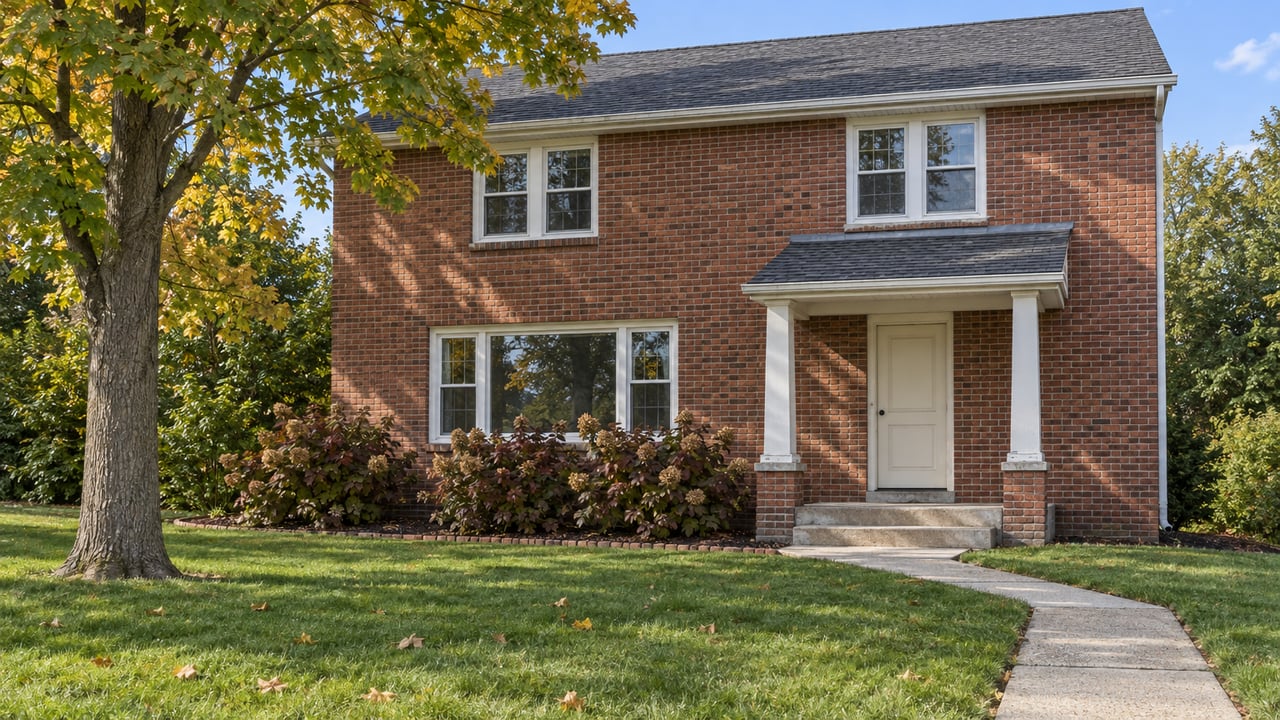
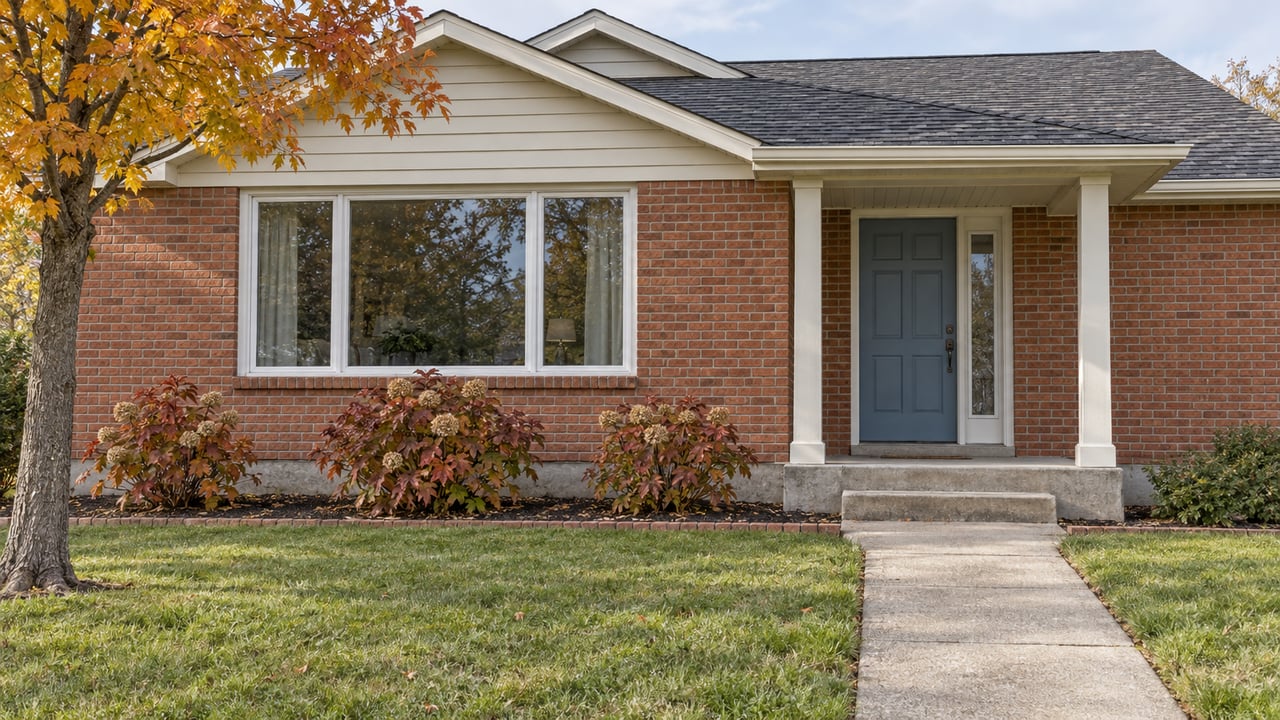
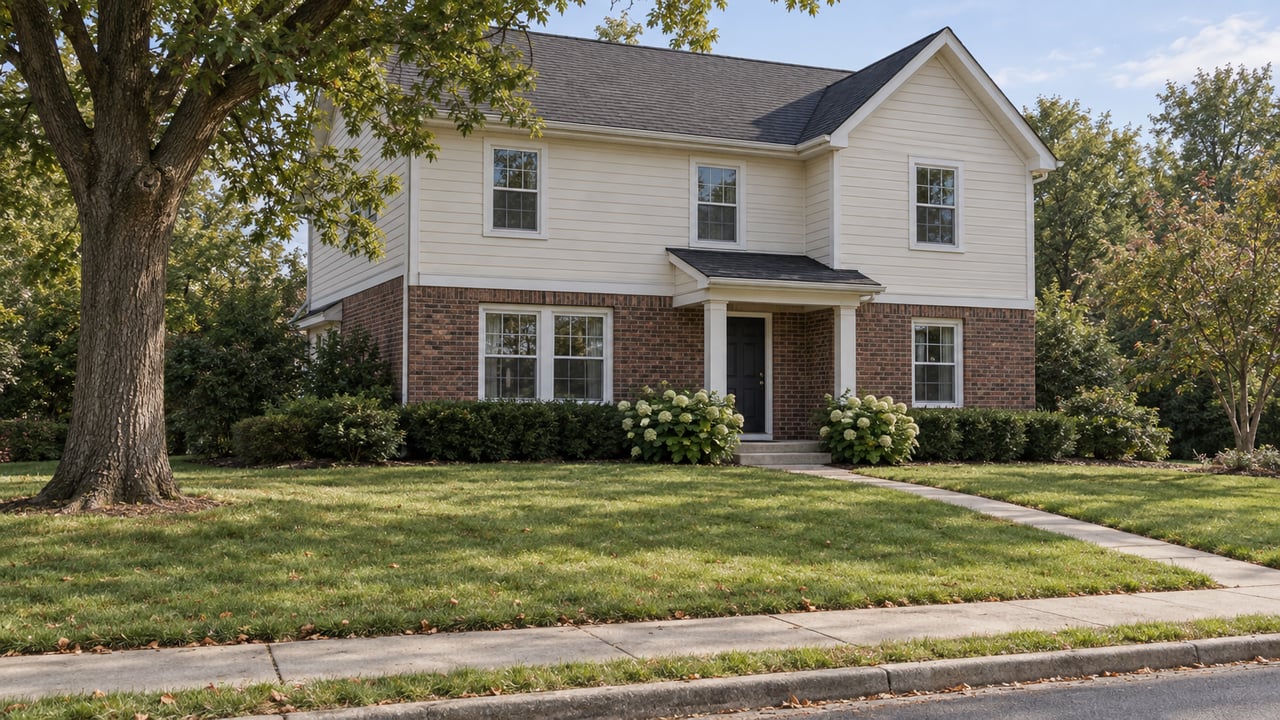
- Home types: Mid-century and later ranches, split-levels, and traditional two-stories, with occasional new-traditional replacements.
- Typical price band: Often low to mid $200Ks for older stock to roughly $300Ks–$500Ks for larger, updated, or renovated homes.
- Tradeoffs: Larger lots and a more relaxed pace vs. less walkability to Main Street. Most errands will be car-based.
Sundale and similar named subdivisions
On the north and west edges near I-275 and major retail corridors, these labeled subdivisions are often chosen for commute convenience.
- Home types: A mix of ranch and two-story single-family homes on suburban lots.
- Typical price band: Mid $300Ks to mid $400Ks are commonly cited for recent listings, subject to market shifts.
- Tradeoffs: Easier highway access and retail proximity vs. less historic character and a more conventional subdivision setting.
New-build communities nearby
If you prefer modern layouts, energy standards, and builder warranties, consider newer developments in Milford, Loveland, and Miami Township. Builders have been active on the edges of these communities.
- Home types: New-construction single-family homes with open floor plans and contemporary finishes.
- Typical price band: Often starting in the high $400Ks, running into the $500Ks–$600Ks depending on plan, lot, and upgrades.
- Tradeoffs: Lower short-term maintenance and modern systems vs. less mature tree cover and a longer walk or drive to the historic core.
Price bands at a glance
These ranges reflect commonly reported examples and can shift quickly with inventory. Use MLS data to confirm today’s pricing on any street.
- Old Milford/Main Street: roughly low $200Ks to mid $600Ks or $700Ks
- Indian Knolls and near-downtown: wide range, including higher-end historic homes
- Mount Repose and Mulberry: about low-to-mid $200Ks to $300Ks–$500Ks
- Sundale and similar subdivisions: commonly mid $300Ks to mid $400Ks
- New-build communities nearby: high $400Ks into $500Ks–$600Ks
Walkability, commute, and recreation
Walkability varies a lot by address. Downtown streets often score in the “Very Walkable” range. For example, a Main Street address shows a Walk Score in the 70s. You can check the contrast yourself using this Main Street Walk Score example, then compare a suburban address of interest. Many subdivision addresses in the same zip code are car-dependent with scores in the teens.
For commuters, Milford is practical for driving into Cincinnati. There is also weekday peak express bus service via Metro’s 29X line into downtown; see Metro’s fixed-route schedules to plan your options.
Recreation is a major perk. The Little Miami River is a state and national scenic river corridor, with canoeing and kayaking access and a multi-use trail that draws cyclists and runners from across the region. Learn more about the corridor and access points through the Little Miami Conservancy.
Flood zones and riverfront due diligence
If you are evaluating a river-edge or low-lying lot, make a flood check part of your early homework. Start with FEMA’s Flood Map Service Center to see the property’s flood-zone status. If the map shows potential risk, expect to ask about elevation certificates, insurance requirements, and mitigation steps. You can also consult Clermont County resources for parcel research and tax notes on the county’s auditor pages.
Schools and enrollment basics
Most Milford addresses are served by Milford Exempted Village Schools. District pages provide school listings, boundary information, and enrollment steps. Because boundaries can change and some streets straddle lines, confirm any address through the district directly. Start at the Milford Exempted Village Schools website.
How to choose your best-fit pocket
Use this quick process to narrow your search:
Define your lifestyle priorities. Rank the following: walkability to Main Street, larger lot size, age of home and maintenance budget, commute time, and access to the Little Miami trail or river.
Match your budget to pocket types. If you want the widest spread of prices and access to shops, start in Old Milford and near-downtown streets. If you want value per square foot and a yard, look to Mount Repose or Mulberry. If you want modern systems, compare new-build options.
Test-drive at different times. Visit Main Street and then drive a few subdivision streets on a weekday evening and a weekend morning. You will feel the difference in pace, traffic, and noise.
Check address-level walkability and flood risk. Use Walk Score for each home you like, and run the address through FEMA’s Flood Map Service Center if it is near the river or in a low-lying area.
Confirm schools and commute. Call the district to verify the assigned school for your target address, and map a typical commute or explore Metro’s fixed-route schedules to see if the 29X could work for you.
Ready for next steps?
If Milford is on your list, you deserve clear guidance, current MLS data, and a smart plan for tours and offers. Let’s map your goals to the right streets, check walkability and flood factors, and compare recent comparable sales so you can buy with confidence. If you also need to sell before you buy, you can request a free home valuation to plan your timeline. Reach out to Angel apking to get started.
FAQs
What are the main Milford neighborhoods for buyers to compare?
- Most buyers look at Old Milford/Main Street and riverfront streets, near-downtown pockets like Indian Knolls, older suburban areas in Mount Repose and Mulberry, commuter-friendly subdivisions like Sundale, and newer-build communities nearby.
How walkable is Old Milford compared with suburban streets?
- Downtown addresses are often “Very Walkable,” with a Main Street example scoring in the 70s on Walk Score. Many subdivision addresses in the same zip code are car-dependent with scores in the teens.
Is flood insurance common near the Little Miami River?
- It depends on the specific lot. Check the address in FEMA’s Flood Map Service Center and consult your lender and insurer for requirements if the property touches or nears a mapped flood zone.
What are typical Milford price ranges by pocket?
- Old Milford and the riverfront can run from the low $200Ks to the mid $600Ks or $700Ks, near-downtown streets vary widely, Mount Repose and Mulberry often span low-to-mid $200Ks to $300Ks–$500Ks, Sundale-type subdivisions are commonly mid $300Ks to mid $400Ks, and newer builds often start in the high $400Ks and can reach the $500Ks–$600Ks.
Which school district serves Milford addresses?
- Most homes are served by Milford Exempted Village Schools. Confirm any address and find enrollment details on the district’s website.
Are there transit options into downtown Cincinnati from Milford?
- Yes. Metro’s 29X offers weekday peak express service into downtown; see Metro’s fixed-route schedules for times and stops.