Buying your first home in Deer Park can feel exciting and a little overwhelming. You want the right house, in the right spot, without stretching your budget or missing something big in the process. This guide breaks down what you can expect in today’s market, from prices and typical home styles to inspections, financing help, and how to write a strong offer. Let’s dive in.
Deer Park starter home prices now
As of early 2026, many entry-level single-family homes in Deer Park list in the rough $180,000 to $350,000 range. Move-in-ready 2 to 3 bedroom homes often land closer to about $250,000 to $340,000 depending on size, updates, and location within the city. The market has been competitive, with well-priced homes moving quickly and some drawing multiple offers. For the most accurate number on a specific house, review current comps and live MLS data with your agent.
What your budget buys
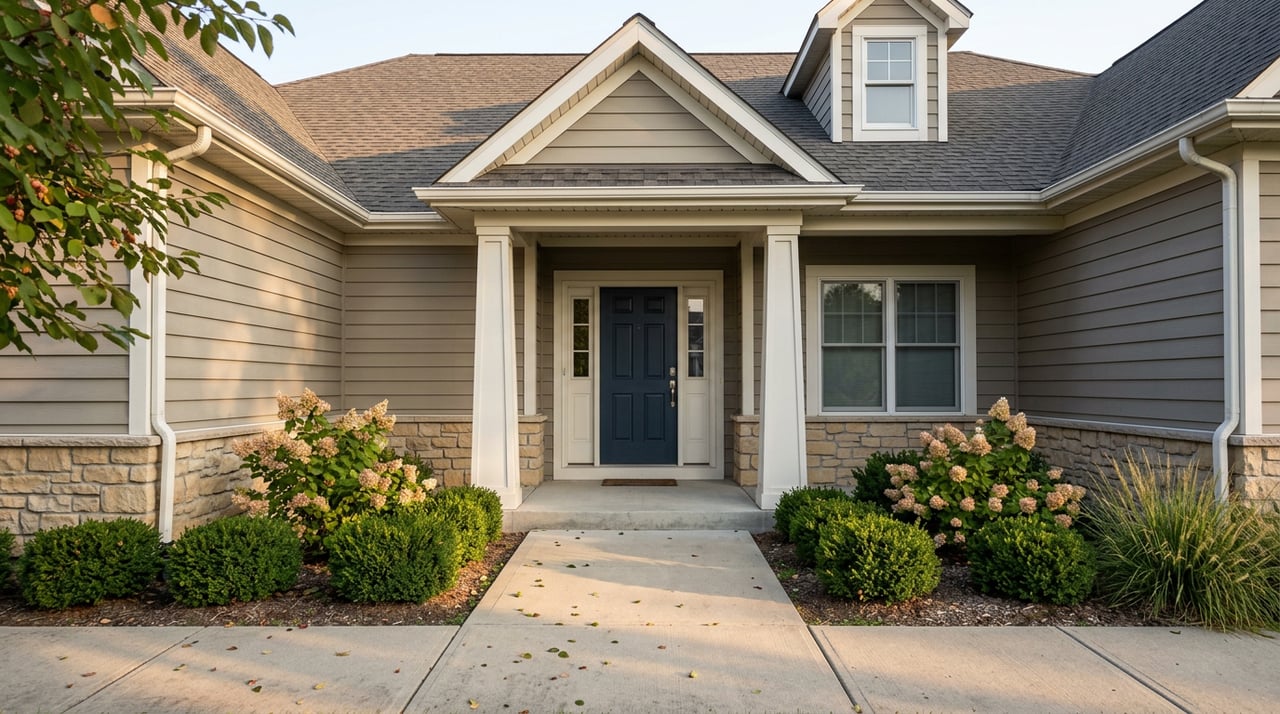
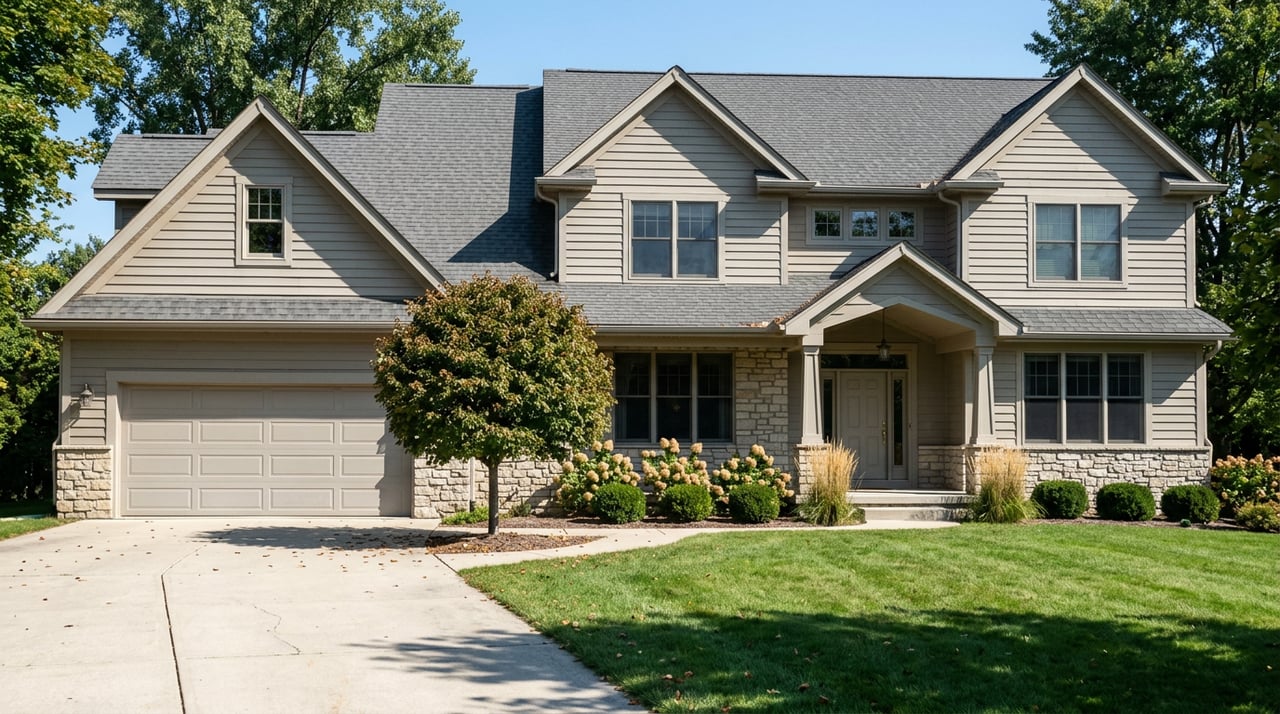
In Deer Park, most starter options are single-family homes with compact footprints. You’ll see many 2 to 4 bedroom, 1 to 2 bath houses in the 700 to 1,800 square foot range. Lots are often under a quarter acre, which keeps yard work manageable. You can find homes that are fully updated, along with solid places that may need cosmetic work or targeted repairs.
What starter homes look and feel like
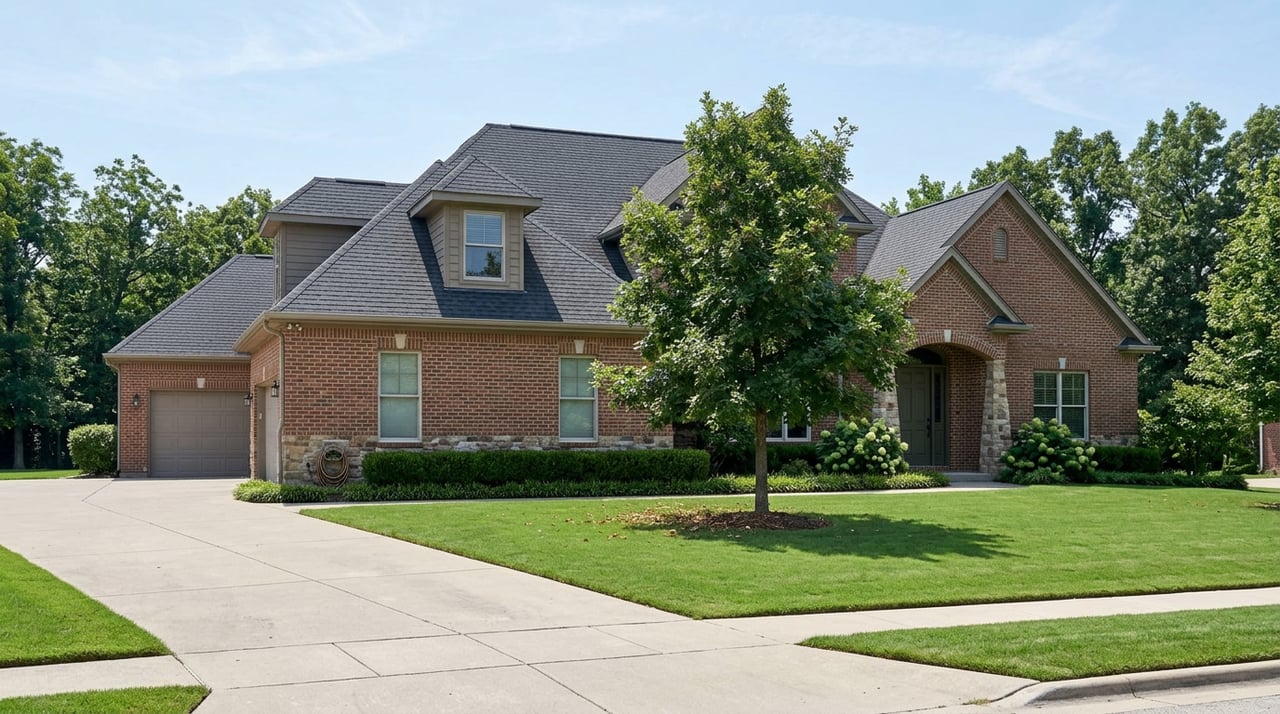
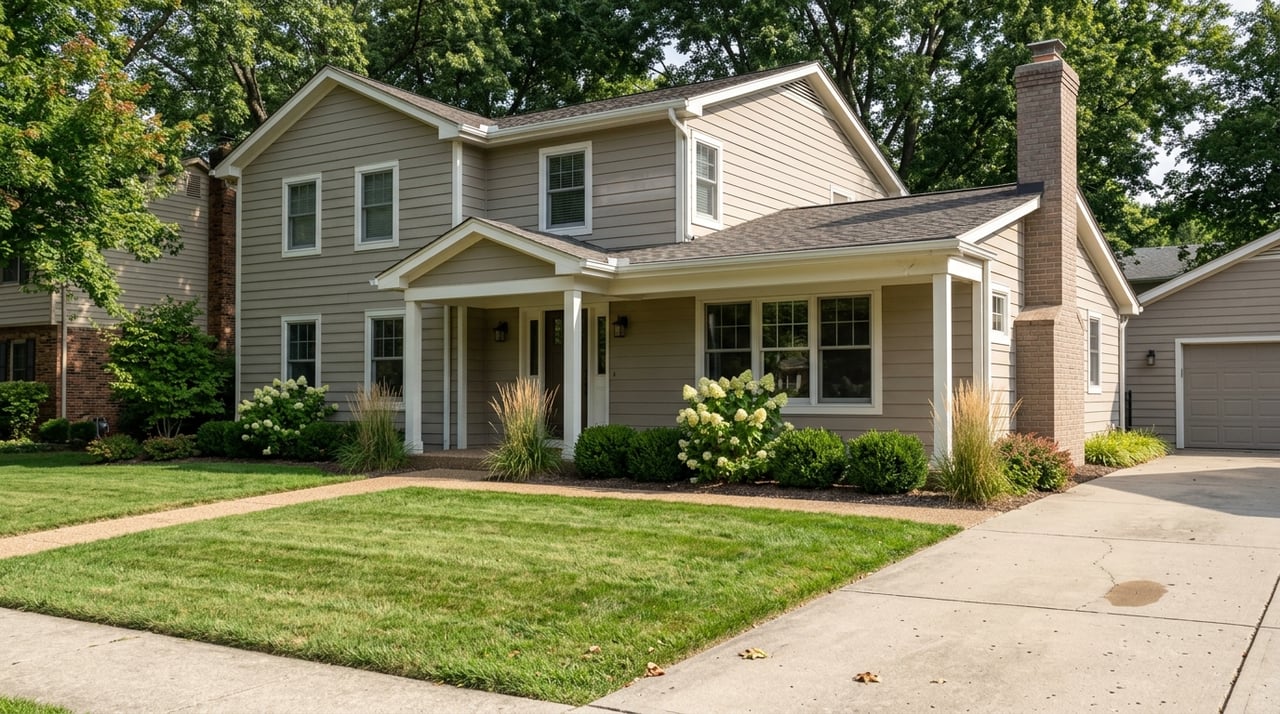
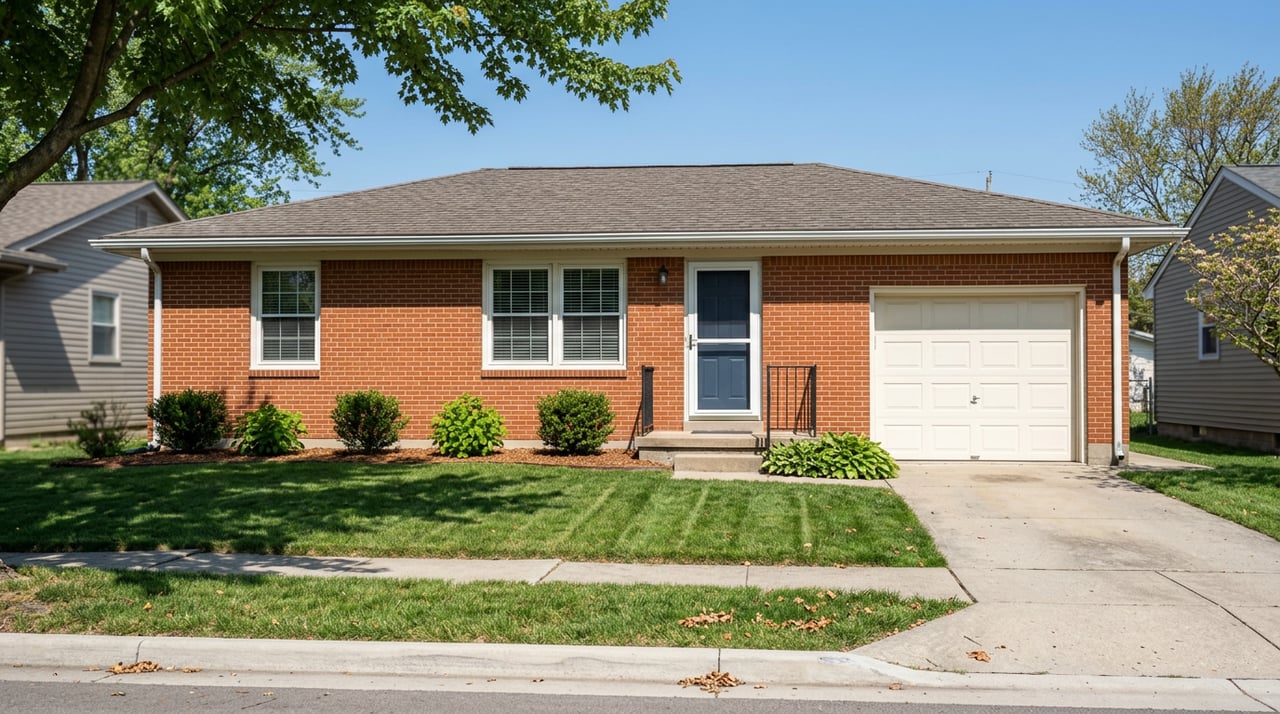
Deer Park’s housing stock leans midcentury, with many homes built in the 1940s through the 1960s and some earlier properties as well. You’ll notice classic features like brick fronts, tidy yards, and practical layouts that make everyday living simple. Many homes have been updated over time, so it’s common to find newer kitchens or baths paired with original hardwoods or vintage details. If you’re open to a light fixer, you may unlock value by handling smaller projects after closing.
Inspections and common findings
Most first-time buyers choose a general home inspection, and that is a smart move with older homes. Inspectors often flag recurring items like drainage and grading issues, roofing wear, HVAC age or deferred service, minor plumbing leaks, and electrical safety updates such as GFCI protection. These categories show up again and again on the list of the most common home inspection issues.
If a home was built before 1978, plan for lead-based paint disclosures and be prepared to review or order additional testing if needed. In Ohio, many buyers also add radon testing and a termite or wood-destroying organism inspection. General home inspections in the region often cost about $300 to $600, with specialty tests priced separately, which lines up with this overview of typical inspection costs in Ohio.
It can be tempting to waive inspections in a bidding war, but that removes important protections. Safer ways to compete include shortening the inspection window, doing an informational pre-inspection with the seller’s permission, or capping the total dollar amount of repair requests. These strategies help you stay competitive while still managing risk.
Financing and assistance for first-time buyers
Many first-time buyers in Deer Park use FHA loans with 3.5% down, conventional programs that allow as little as 3% down, VA loans with 0% down for eligible veterans, or other standard products. Ohio also offers state-backed help that can make your purchase more affordable.
- Ohio Housing Finance Agency (OHFA): The state runs several Ohio Housing Finance Agency programs designed for first-time buyers and qualifying repeat buyers. Its Your Choice Down Payment Assistance provides 2.5% or 5% assistance that can be used for down payment or closing costs. OHFA also offers Grants for Grads, Ohio Heroes for certain public-service professions, and a Mortgage Tax Credit that can reduce your federal tax liability.
- Communities First grants: The Port of Greater Cincinnati’s Communities First down payment assistance offers grant-style help, typically in the 3% to 5% range depending on your loan type. Because it is often structured as a grant, it can come with fewer restrictions than a second mortgage-style assistance program.
Eligibility for these programs includes income and purchase price limits that vary by county and program, as well as minimum credit scores in some cases. Many buyers use OHFA or Communities First together with FHA, VA, or conventional loans, but you must work with participating lenders. Talk with an OHFA-approved or Communities First lender early so you can confirm stackability, secure a reservation if needed, and understand any forgiveness or residency rules.
Competing and staying protected
You can strengthen your offer without taking on more risk than you can handle. Start with a full pre-approval or, better yet, a conditional underwriting commitment before you tour homes. That gives the seller confidence in your financing.
When it is time to write, focus on a clean structure: a fair and well-supported price, a strong earnest money deposit, and a closing timeline that meets the seller’s needs. You can also consider an escalation clause if appropriate, plus a short but realistic inspection period so you keep your safety net. If you explore appraisal-gap coverage, confirm with your lender how you would fund any shortfall and stay within a number that feels comfortable.
Finally, rely on local intel. A knowledgeable Deer Park agent can quickly check with the listing agent to learn what matters most to that seller, whether it is timing, possession, or simple certainty.
Everyday life in Deer Park
Deer Park sits near major retail and commuter routes, which keeps day-to-day life convenient. At the center of the city, Chamberlin Park is a local hub for outdoor time and community events. A short drive takes you to the Kenwood/Blue Ash corridor, including Kenwood Towne Centre for shopping, groceries, and dining options.
Commuting is straightforward for many buyers. Deer Park is about 7 miles to downtown Cincinnati, and drive times can be 10 to 15 minutes outside of peak traffic depending on your route. For health care access, you are close to regional providers in the Kenwood area.
Property taxes should be part of your budgeting too. Effective tax rates in the county are commonly estimated near about 2.0% but vary by parcel and exemptions. For billing cycles, payment options, and parcel-level details, visit the Hamilton County Treasurer’s page.
Quick first-time buyer checklist
- Get fully pre-approved or conditionally underwritten before you tour.
- If you need help with cash to close, ask lenders about OHFA’s Your Choice assistance and Grants for Grads, and check participating lenders for Communities First.
- Budget for inspections and likely near-term maintenance on older homes. Plan $300 to $600 for a general inspection plus extra for radon or termite testing.
- Be ready to move quickly and write a clean, well-documented offer. Consider shorter inspection windows or capped repairs rather than waiving your inspection rights.
Ready to start?
If Deer Park feels like the right fit, you deserve a clear plan and a steady guide. I’ll help you pin down live pricing, sort through assistance options, and spot the right homes before they are gone. When it is time to write, we will shape a strong, safe offer that reflects your goals and comfort level.
Reach out to schedule a quick strategy call with Angel Apking. Let’s make your first home in Deer Park a confident, exciting move.
FAQs
What are typical Deer Park starter home prices in early 2026?
- Many entry-level single-family homes list around $180,000 to $350,000, with move-in-ready 2 to 3 bedroom options more often in the $250,000 to $340,000 range.
What sizes and styles do Deer Park starter homes offer?
- You’ll commonly find 2 to 4 bedrooms, 1 to 2 baths, and about 700 to 1,800 square feet, with many midcentury homes from the 1940s to 1960s and smaller, easy-care lots.
What inspection issues should first-time buyers expect in older homes?
- Frequent findings include drainage, roofing wear, HVAC age, minor plumbing leaks, and electrical safety upgrades like GFCI; budget for testing and follow-up repairs.
What down payment assistance can I use in Deer Park, Ohio?
- OHFA offers Your Choice assistance at 2.5% or 5% plus other programs, and Communities First provides grant-style help at roughly 3% to 5% through participating lenders.
How do I compete without waiving my inspection?
- Use a strong pre-approval, write a clean offer, shorten your inspection window, or cap repair requests so you stay competitive while keeping key protections.
What are typical taxes and commute times in Deer Park?
- Effective property tax rates vary by parcel but are often estimated near about 2.0%; the city is roughly 7 miles to downtown Cincinnati with many 10 to 15 minute drives off-peak.